

SEG Blog
Silicone Orbital Prosthesis: Restoring Confidence Beyond Vision
22 Jul 2026
← Back to all articles
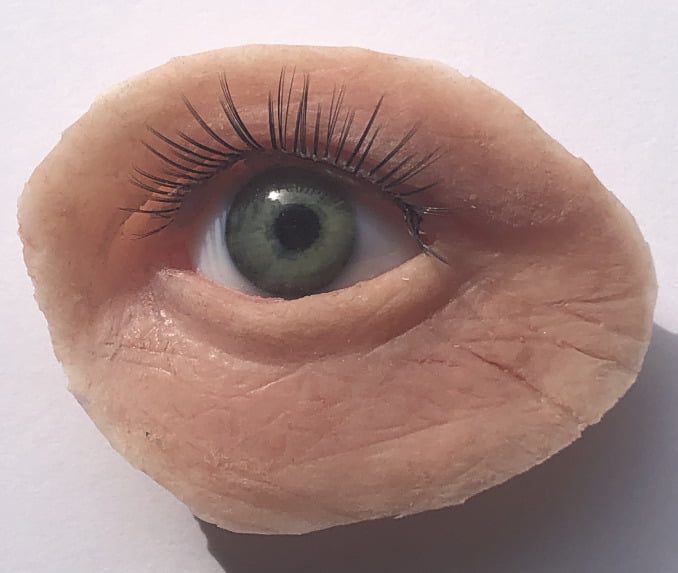
Losing an eye and the surrounding tissues due to trauma, cancer, severe infection, or congenital conditions can have a profound physical and emotional impact. While vision cannot always be restored, modern prosthetic technology offers a life changing solution through a silicone orbital prosthesis. Designed to closely replicate the natural appearance of the eye, eyelids, and surrounding facial tissues, this custom made prosthesis helps individuals regain confidence and improve their quality of life.
What Is a Silicone Orbital Prosthesis?
A silicone orbital prosthesis is a custom fabricated facial prosthesis that replaces not only the missing eye but also the surrounding orbital structures, including the eyelids, eyelashes, eyebrows, and adjacent soft tissues. It is typically recommended for patients who have undergone orbital exenteration, a surgical procedure that removes the eye and surrounding tissues due to conditions such as tumors or severe trauma. Unlike a standard ocular prosthesis, which fits inside an existing eye socket, an orbital prosthesis restores the entire orbital region.
Who Needs an Orbital Prosthesis?
A silicone orbital prosthesis may be recommended for individuals who have experienced:
Eye and surrounding tissue removal due to cancer
Severe facial trauma or accidents
Congenital facial abnormalities
Extensive infections affecting the orbit
Failed reconstructive surgeries requiring cosmetic rehabilitation
Each prosthesis is individually designed to match the patient's facial anatomy, skin tone, and natural eye color, ensuring the most realistic appearance possible.
Why Medical Grade Silicone?
Medical grade silicone has become the preferred material for orbital prostheses because it offers several advantages:
Soft, flexible, and comfortable to wear
Highly biocompatible with skin
Realistic skin texture and appearance
Excellent color matching capabilities
Lightweight construction
Durable enough for everyday use with proper care
The material allows prosthetists to reproduce subtle facial details such as skin texture, wrinkles, freckles, and blood vessels, resulting in a highly lifelike restoration.
How Is It Made?
Creating a silicone orbital prosthesis combines advanced medical technology with artistic craftsmanship.
Step 1: Clinical Assessment
The prosthetist evaluates the defect, surrounding tissues, facial symmetry, and medical history.
Step 2: Facial Impression or Digital Scan
An accurate impression or 3D scan of the facial defect is taken to capture every contour.
Step 3: Wax Pattern
A wax model is sculpted to restore the missing facial structures and adjusted until symmetry is achieved.
Step 4: Eye Positioning
The artificial eye is carefully aligned with the healthy eye to ensure a natural gaze and facial balance.
Step 5: Silicone Processing
Medical grade silicone is intrinsically colored before molding, then processed into the final prosthesis.
Step 6: Artistic Detailing
Surface coloring, veins, skin pigmentation, eyebrows, and eyelashes are hand crafted to blend seamlessly with the patient's facial features.
Step 7: Final Fitting
The prosthesis is fitted, adjusted for comfort, and the patient receives instructions on application, removal, and maintenance.
Methods of Retention
Depending on the patient's condition, an orbital prosthesis can be retained using:
Medical grade skin adhesives
Anatomical undercuts
Spectacles that help support the prosthesis
Craniofacial implants with magnetic attachments for enhanced stability
Implant retained prostheses generally provide better retention, although they may not be suitable for every patient due to health, anatomy, or financial considerations.
Benefits of a Silicone Orbital Prosthesis
Patients often experience significant improvements in daily life, including:
Natural facial appearance
Improved self confidence
Better social interaction
Customized fit for maximum comfort
Non surgical cosmetic rehabilitation
Personalized color and texture matching
Although the prosthesis does not restore vision, it restores facial harmony and often provides substantial psychological benefits.
Caring for the Prosthesis
Proper maintenance helps maximize the lifespan and appearance of the prosthesis.
Clean it regularly using recommended products.
Avoid harsh chemicals or excessive heat.
Protect it from prolonged sunlight to reduce color fading.
Handle gently during placement and removal.
Attend routine follow up appointments for inspection and adjustments.
With appropriate care, many silicone orbital prostheses remain functional for approximately one to two years before replacement is recommended due to natural wear and color changes.
Life After Rehabilitation
Receiving a silicone orbital prosthesis is often an important milestone in emotional recovery. Beyond restoring facial appearance, it helps many individuals regain confidence, participate in social activities, return to work, and improve overall quality of life. Modern digital design, improved silicone materials, and advanced fabrication techniques continue to make orbital prostheses more realistic and comfortable than ever before.
Conclusion
A silicone orbital prosthesis is much more than a cosmetic replacement. It represents hope, dignity, and renewed confidence for individuals living with complex facial defects. Through a combination of medical expertise, advanced materials, and artistic precision, these custom prostheses help patients move forward with comfort and confidence, restoring not just appearance but an important part of everyday life.