
Custom Ocular Prosthesis
What is Custom Made Artificial Eye?
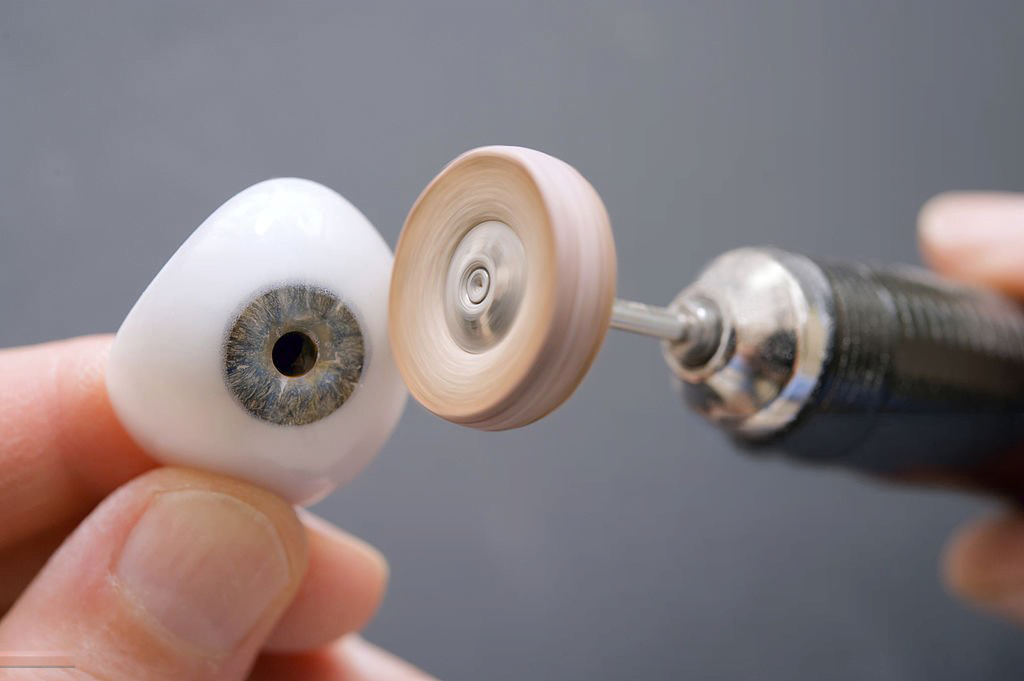
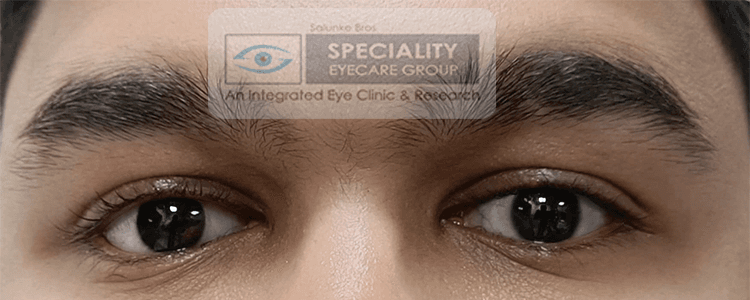
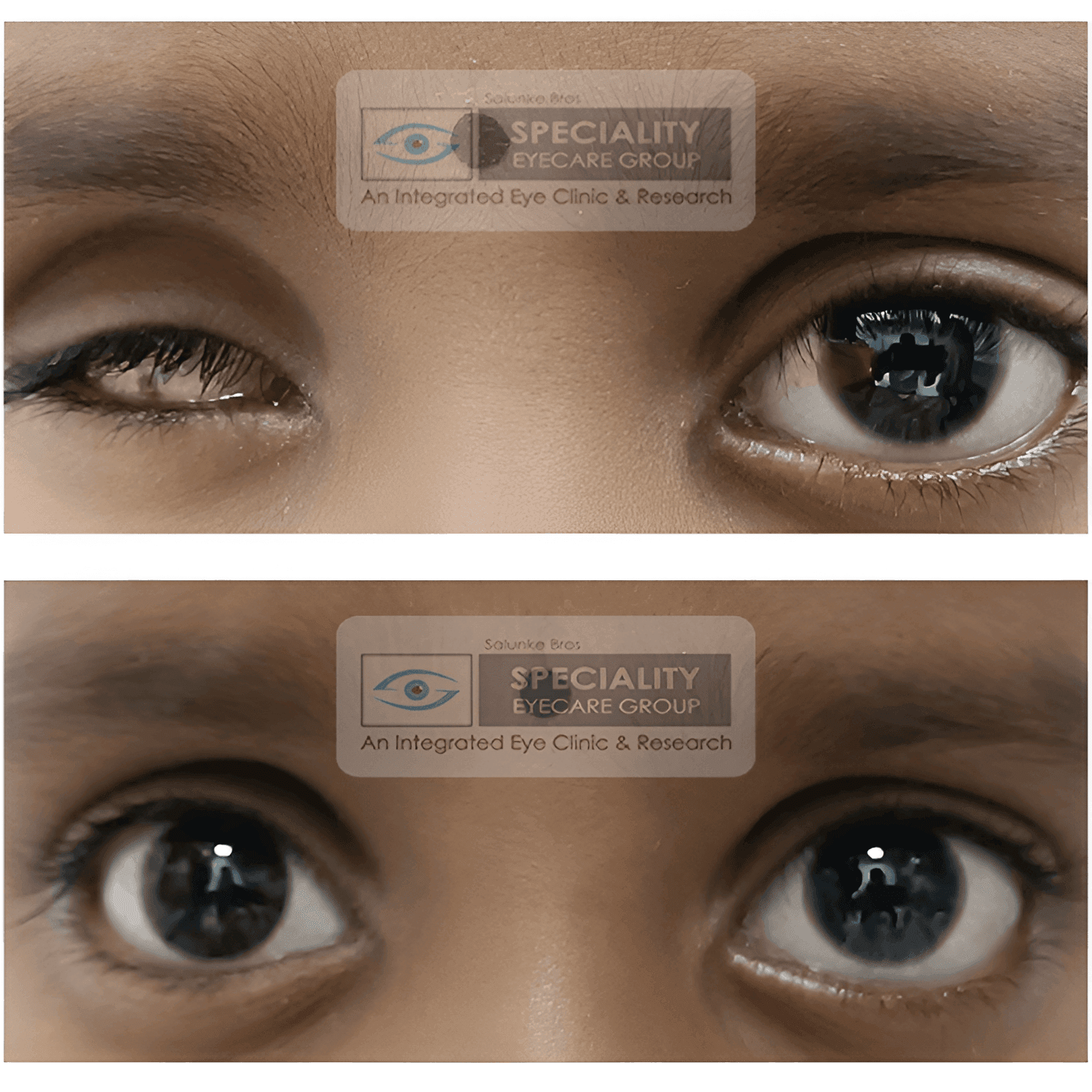
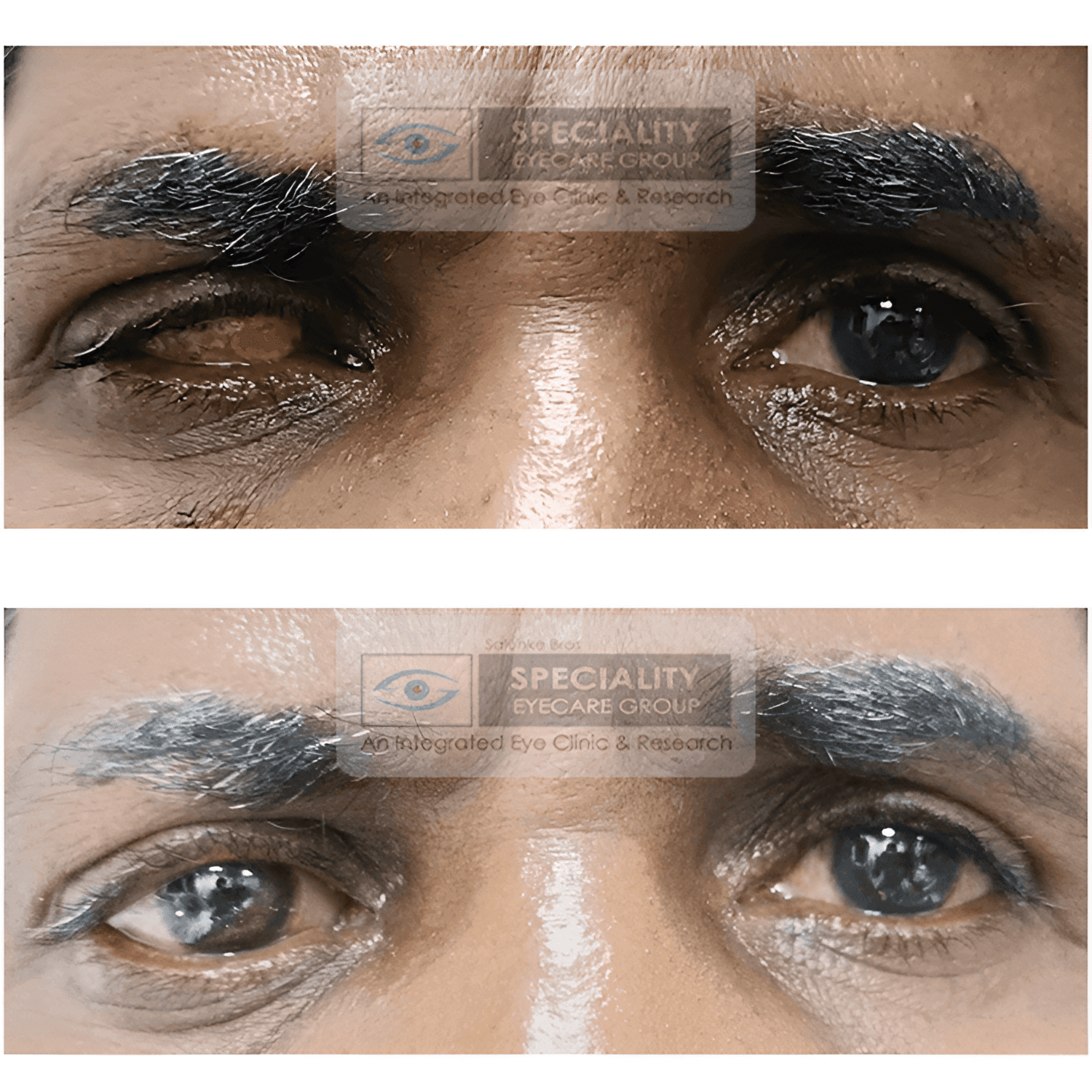
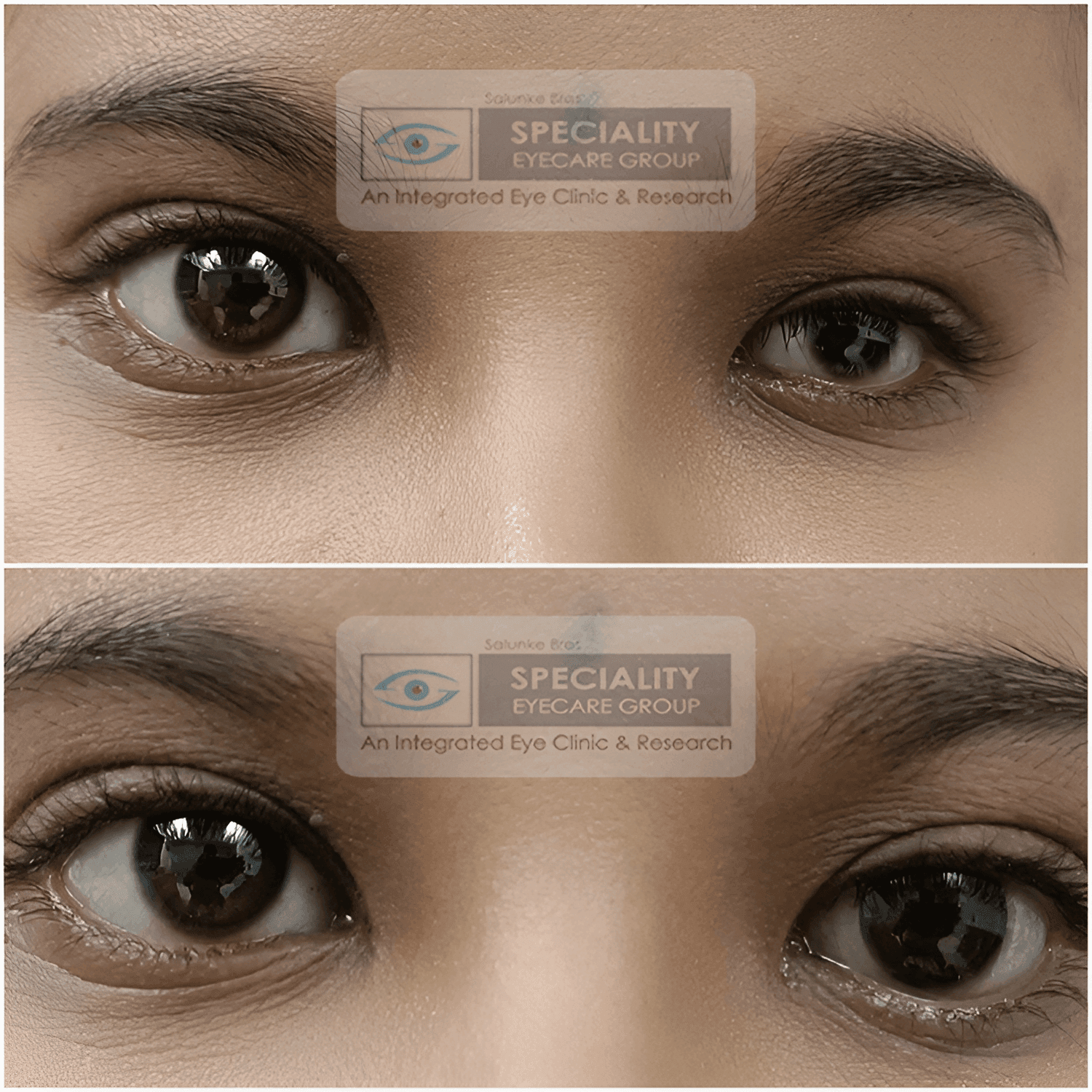
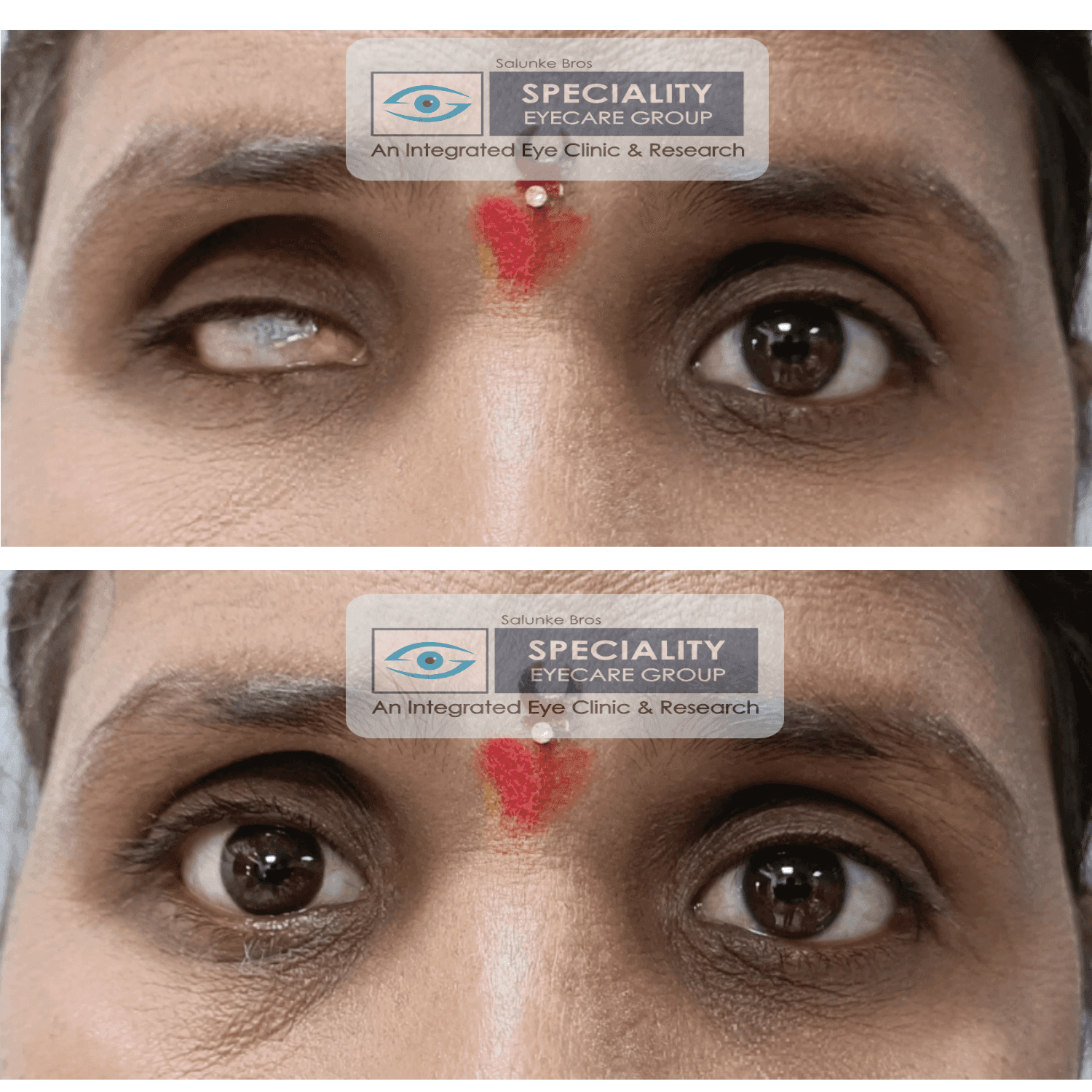
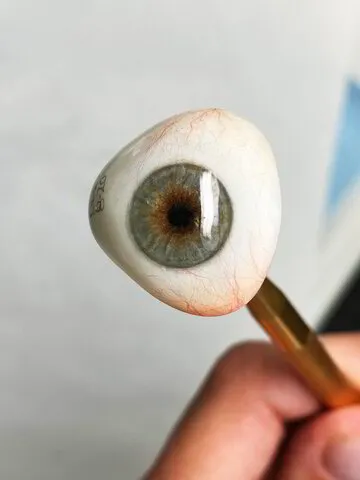
A custom-made artificial eye is a personalized prosthetic designed to replace a missing eye, matching the appearance and fit of the natural eye. It is crafted for comfort and aesthetic restoration using biocompatible materials.
Speciality Eyecare Group, Pune, India’s one of the leading centre which specialize in creating custom ocular prosthetics (artificial eyes) tailored to meet the specific needs of each
patient. Our state-of-the-art prosthetics restore the appearance of a natural eye for patients who have lost an eye due to trauma, surgery, or congenital conditions. With personalized attention
and cutting-edge technology, we ensure the best cosmetic outcomes and comfort for our patients.
- Prepared exactly according to patients socket measurements
- Made of high grade medical PMMA
- Good symmetry with other eye
- Better eye movement
- Modifications are possible
Speciality Eyecare Group
Gallery
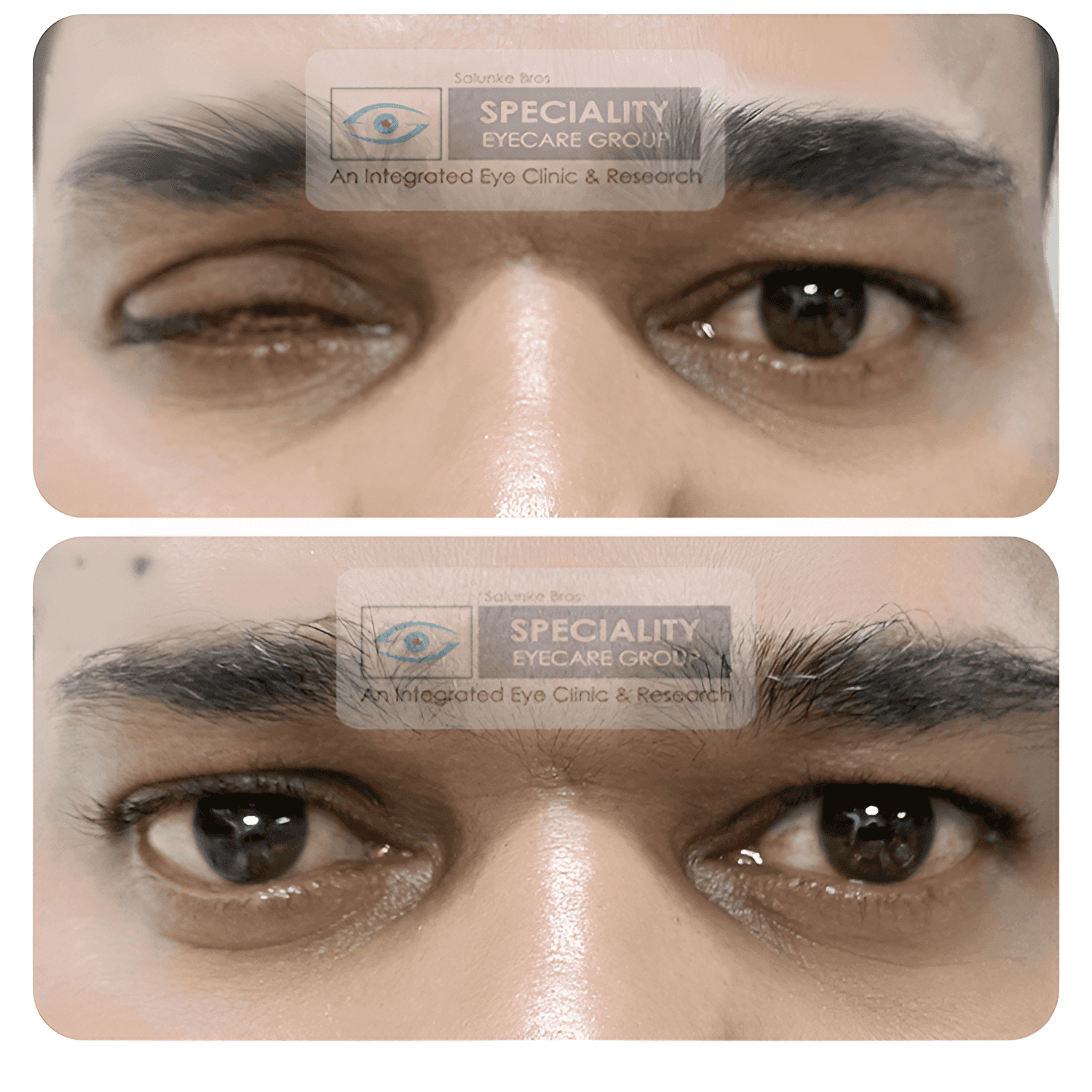
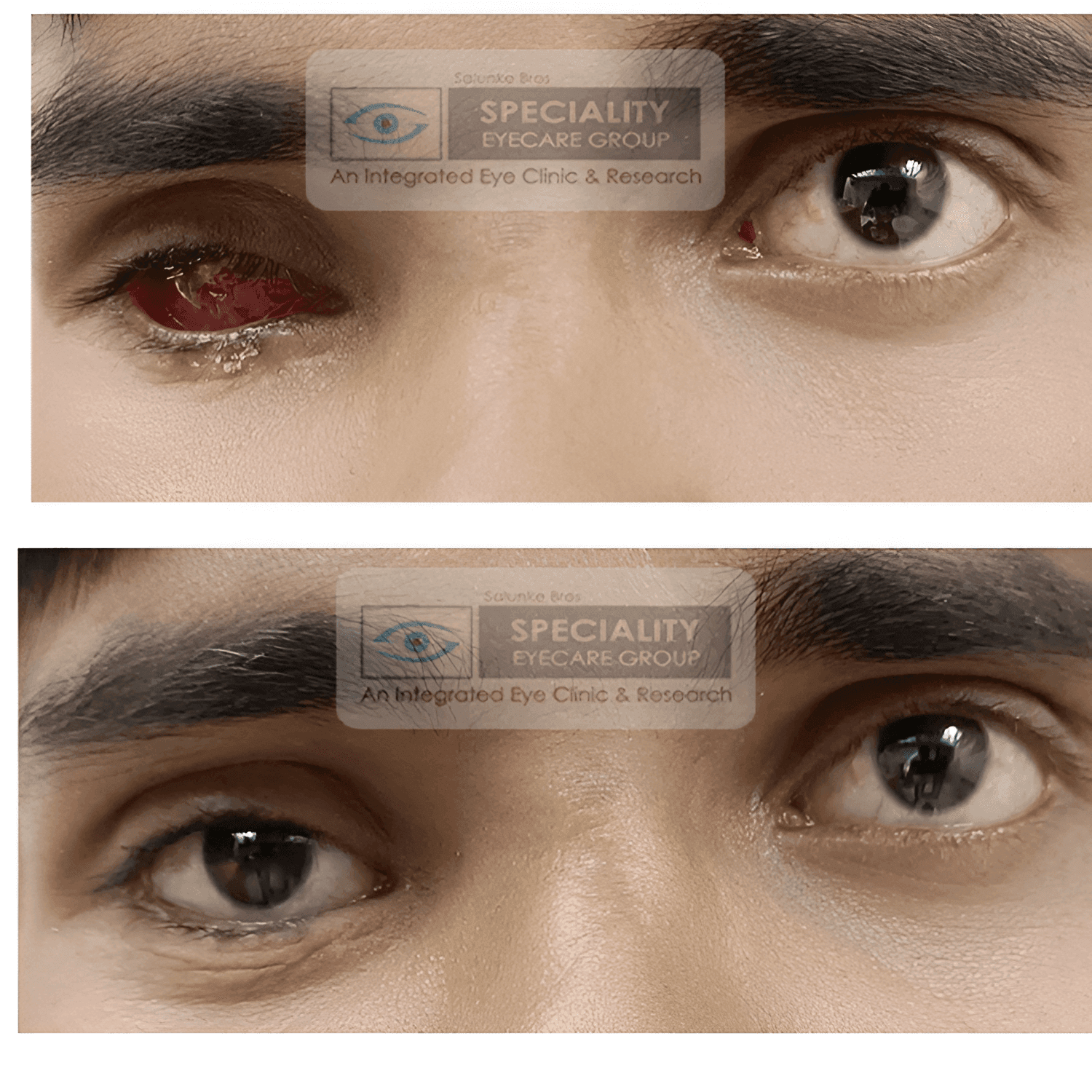
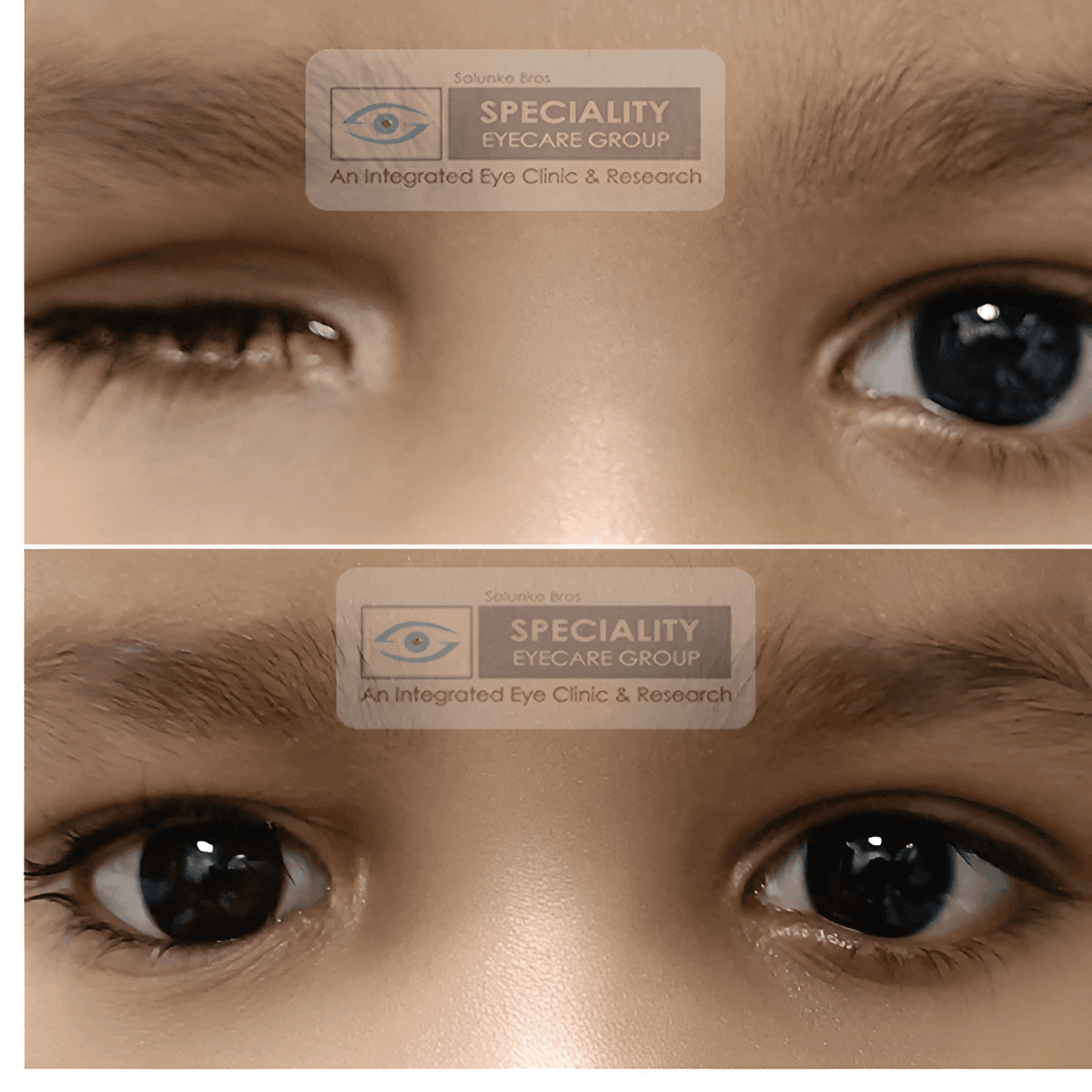
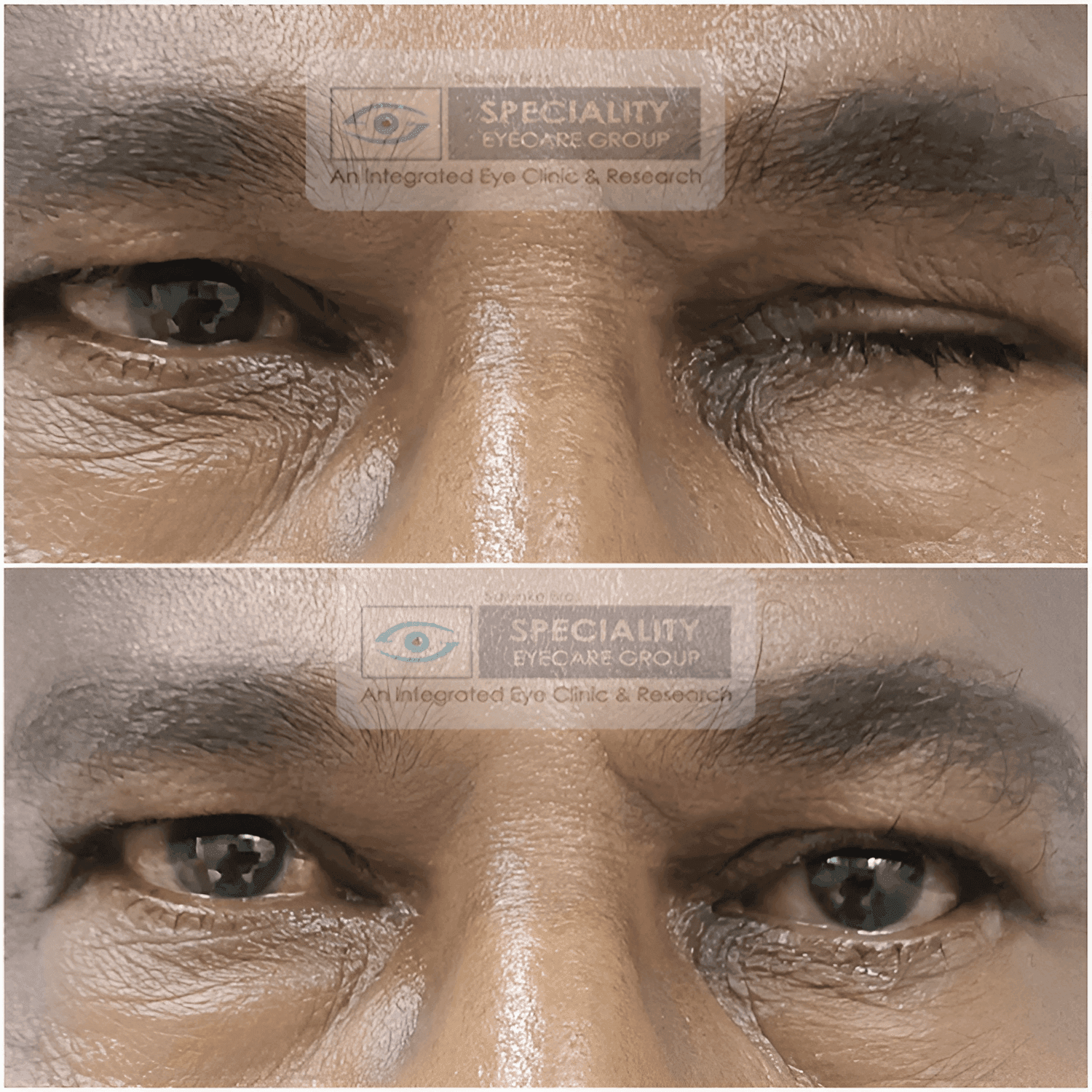
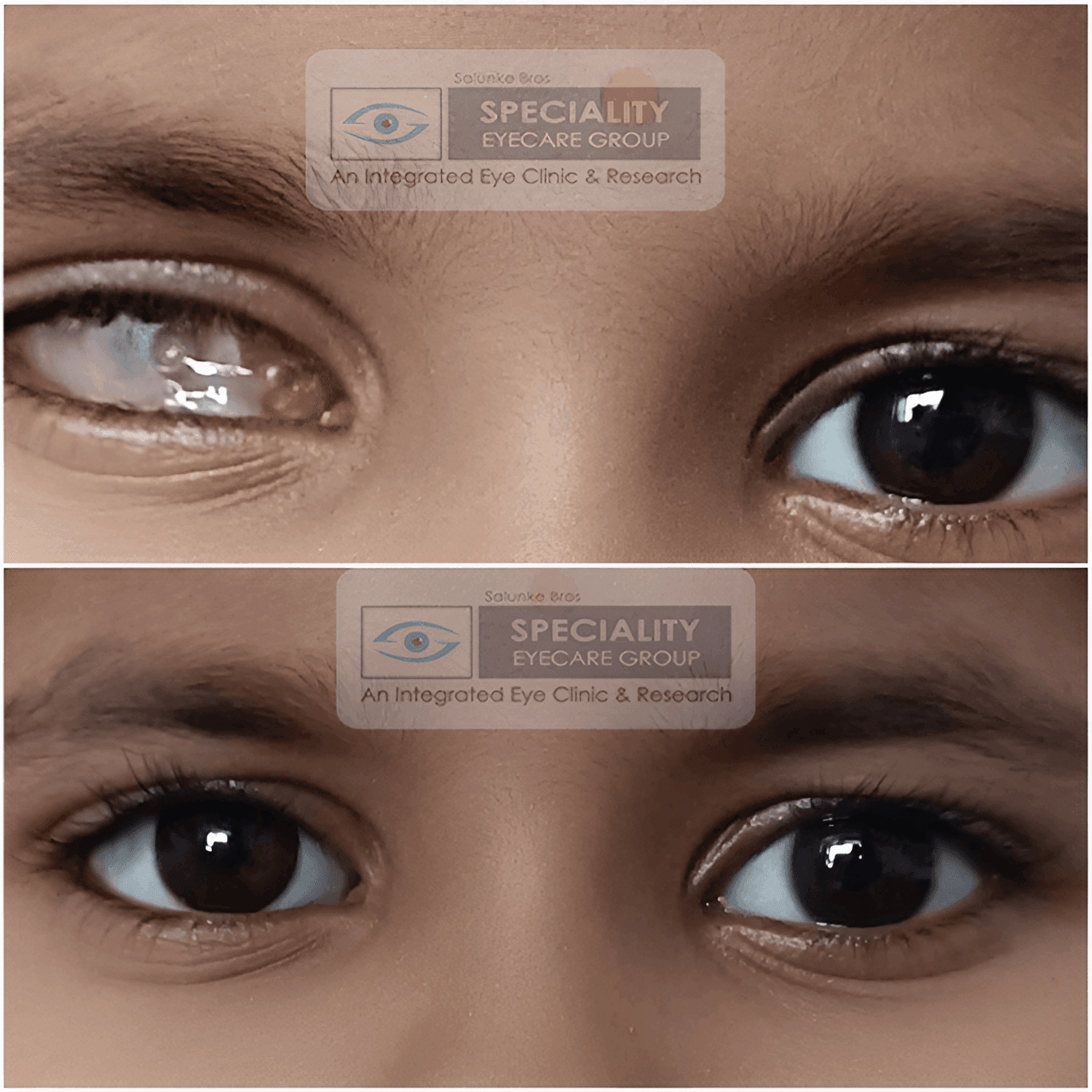
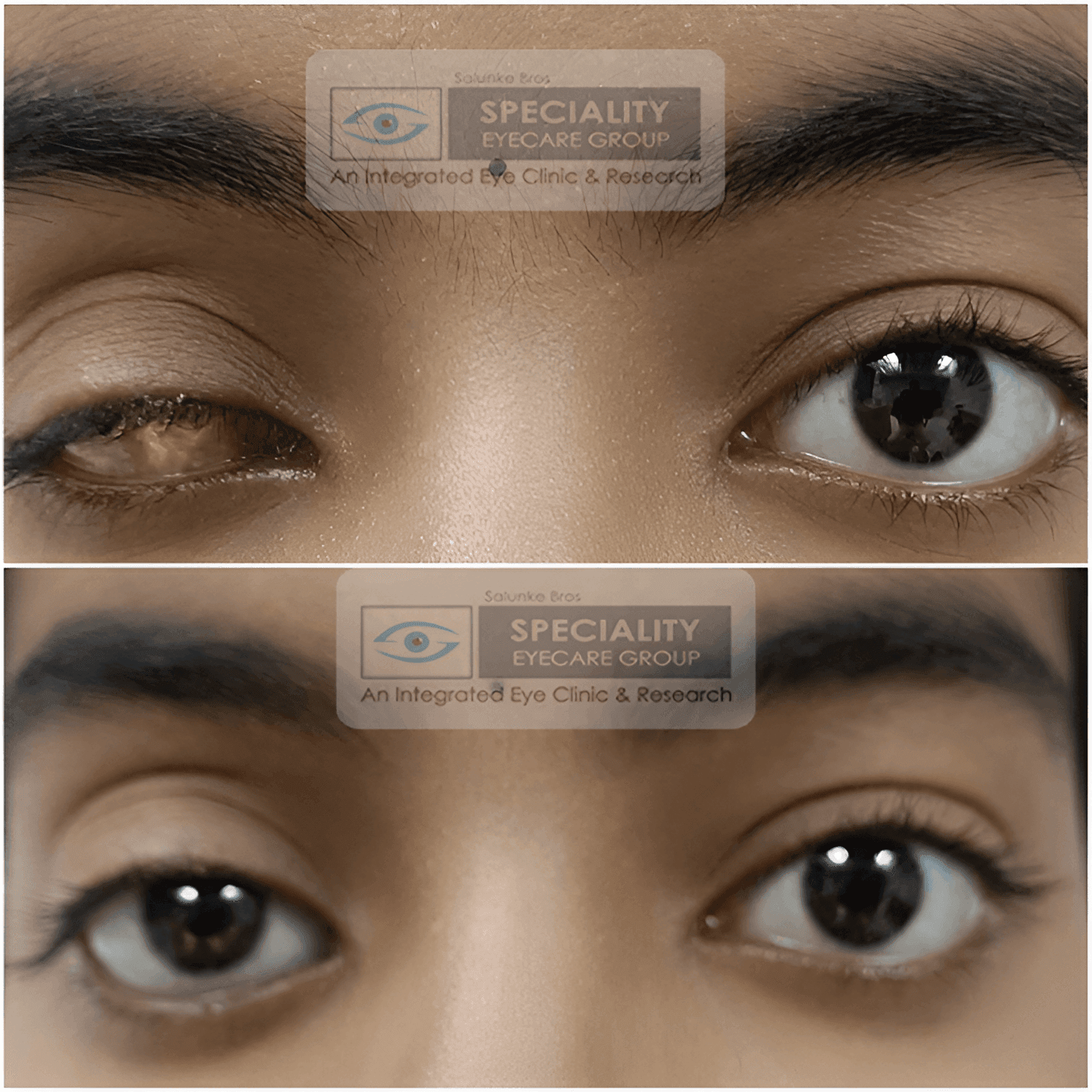
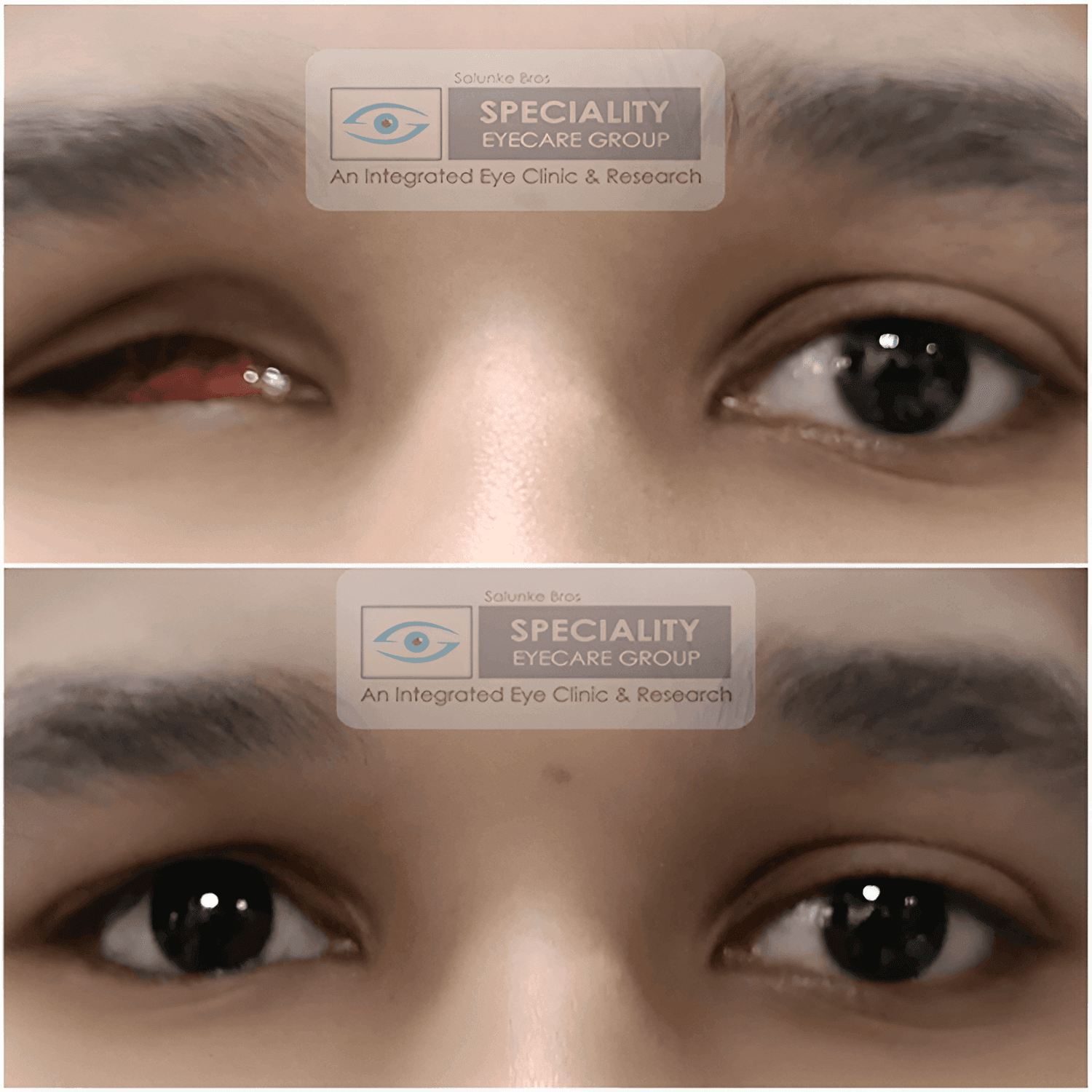
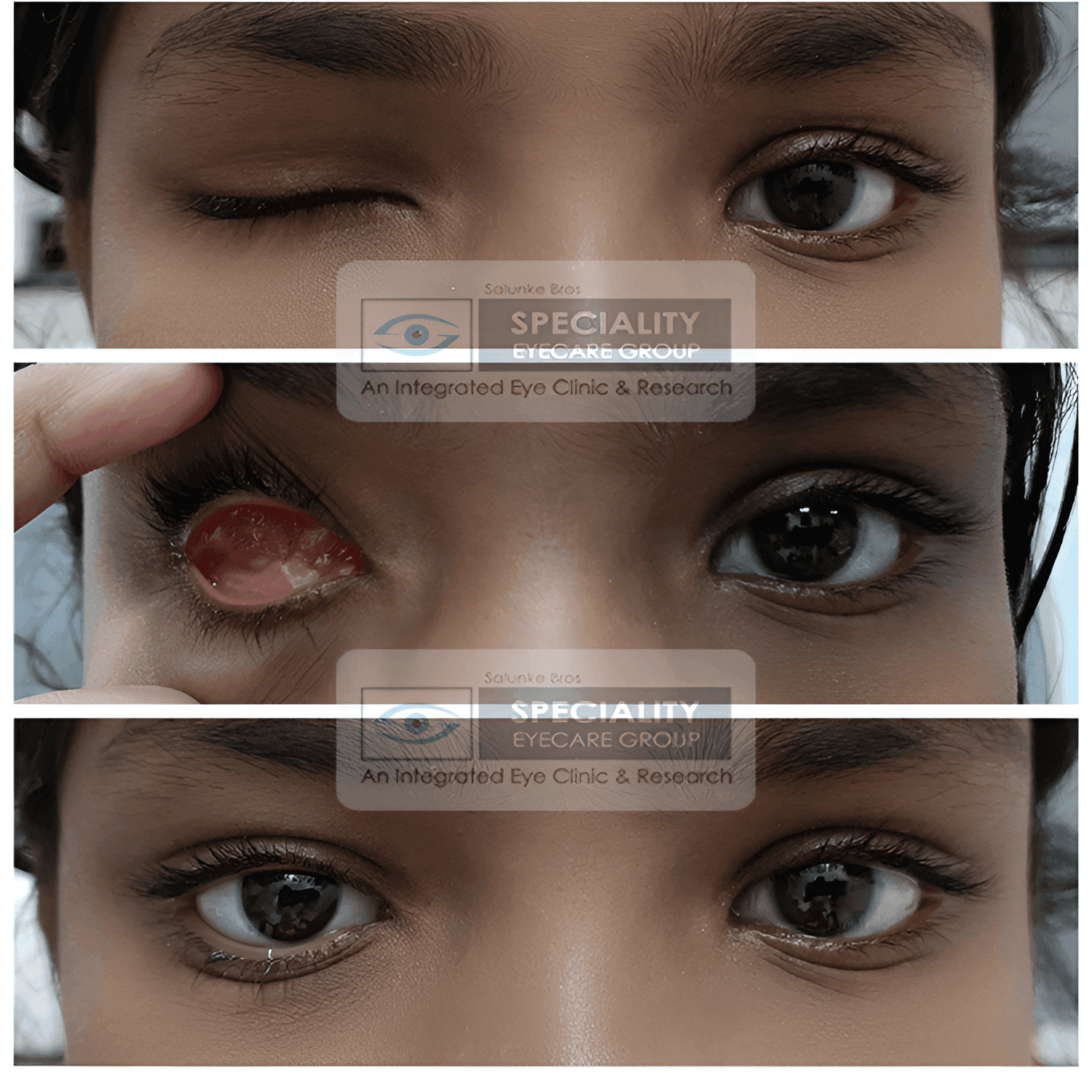
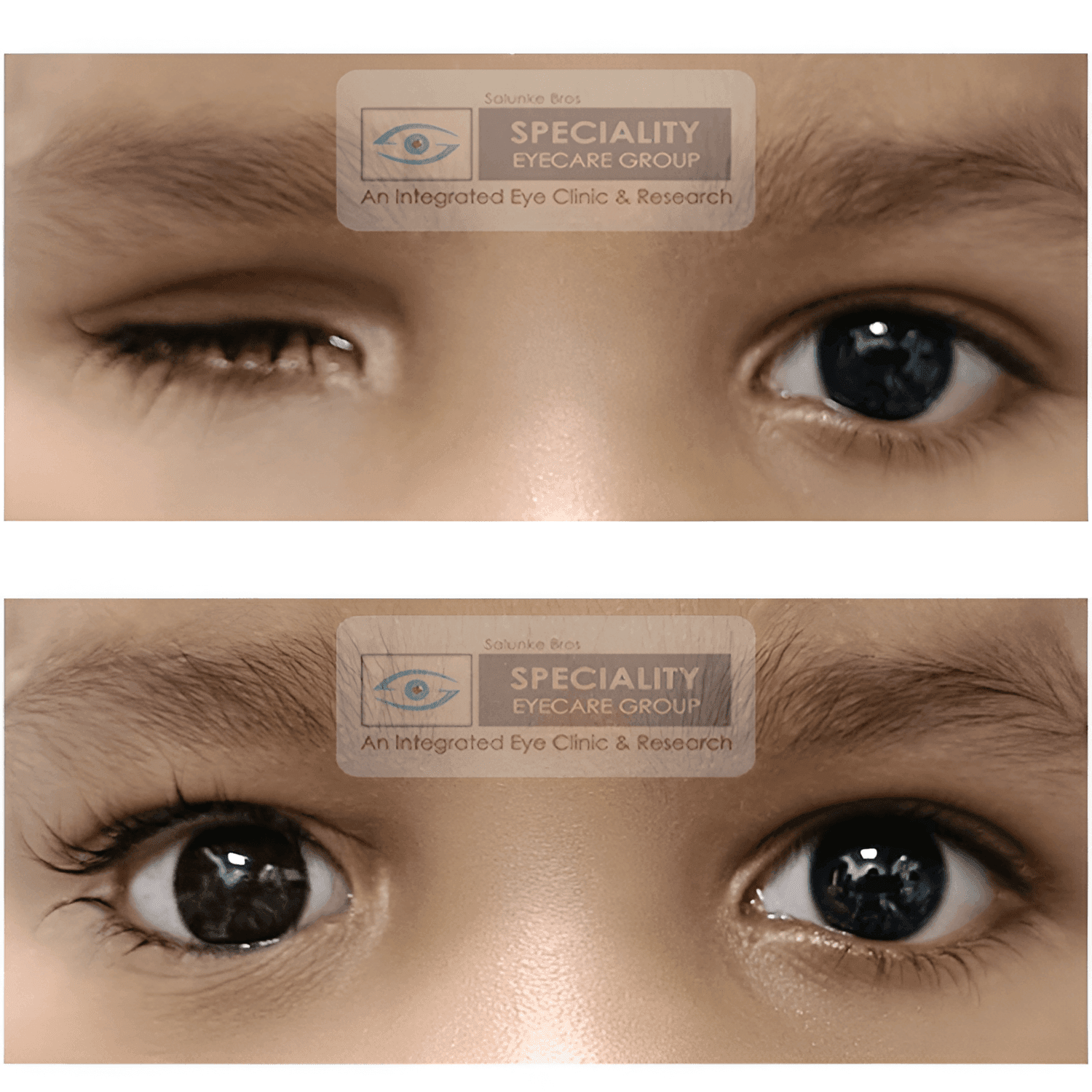
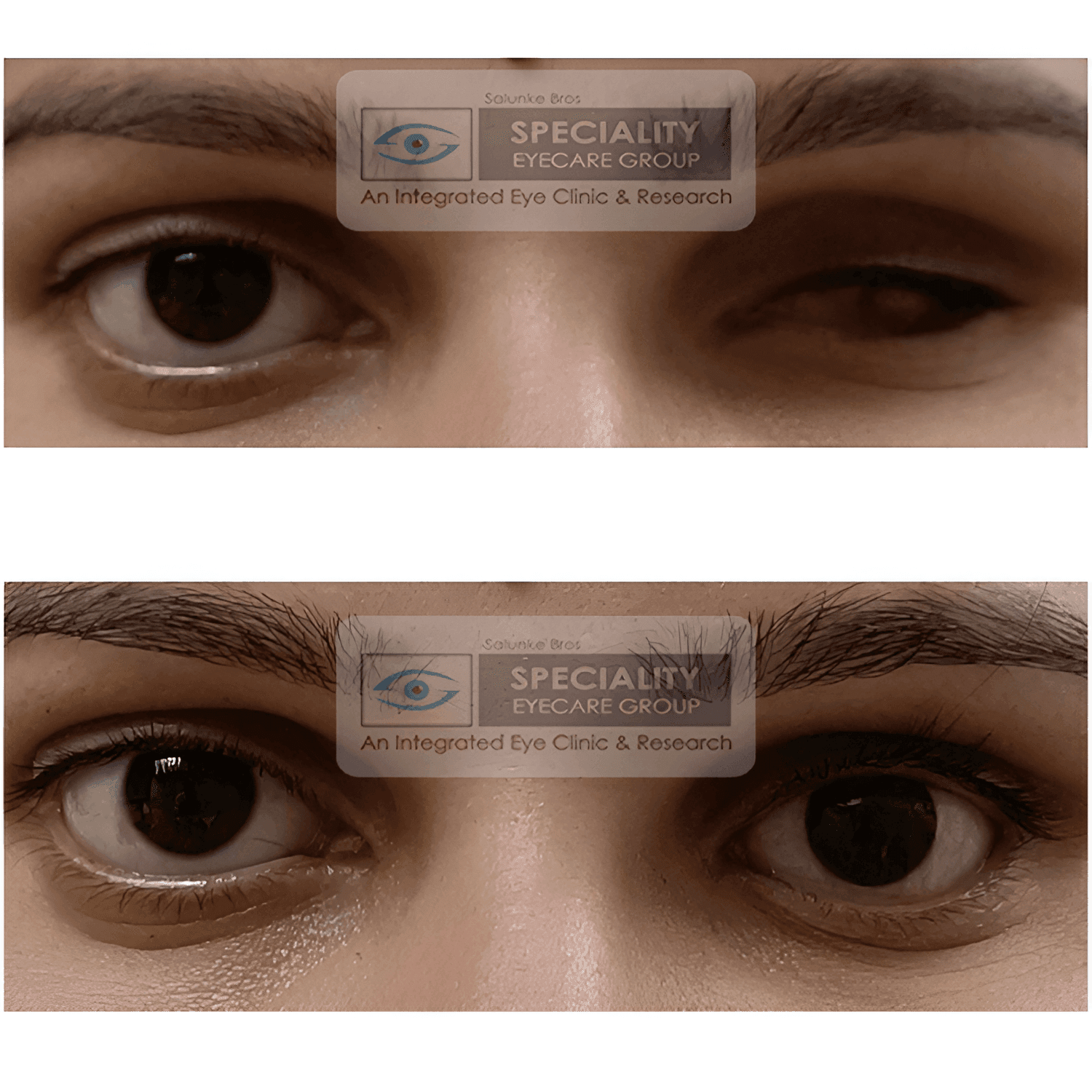
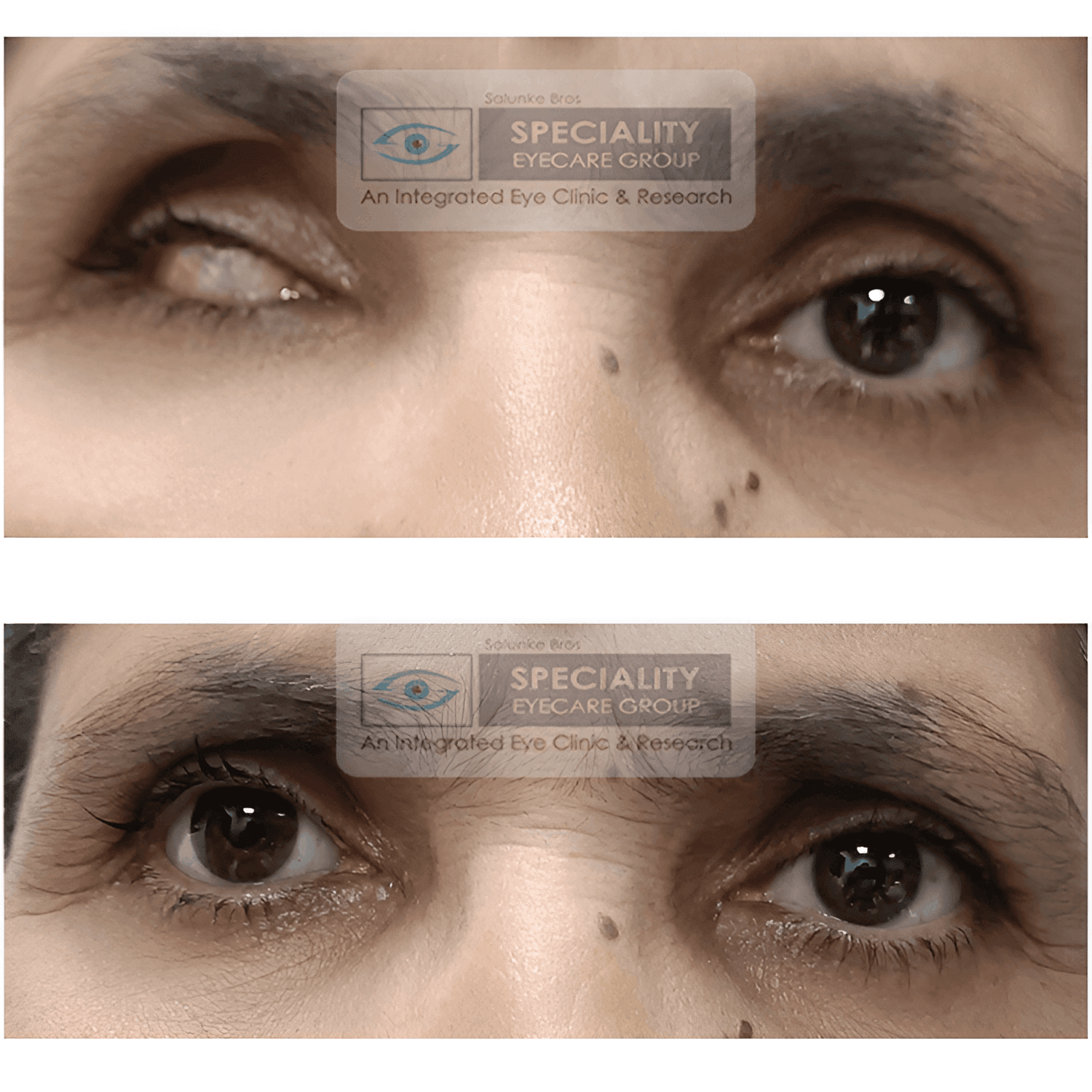
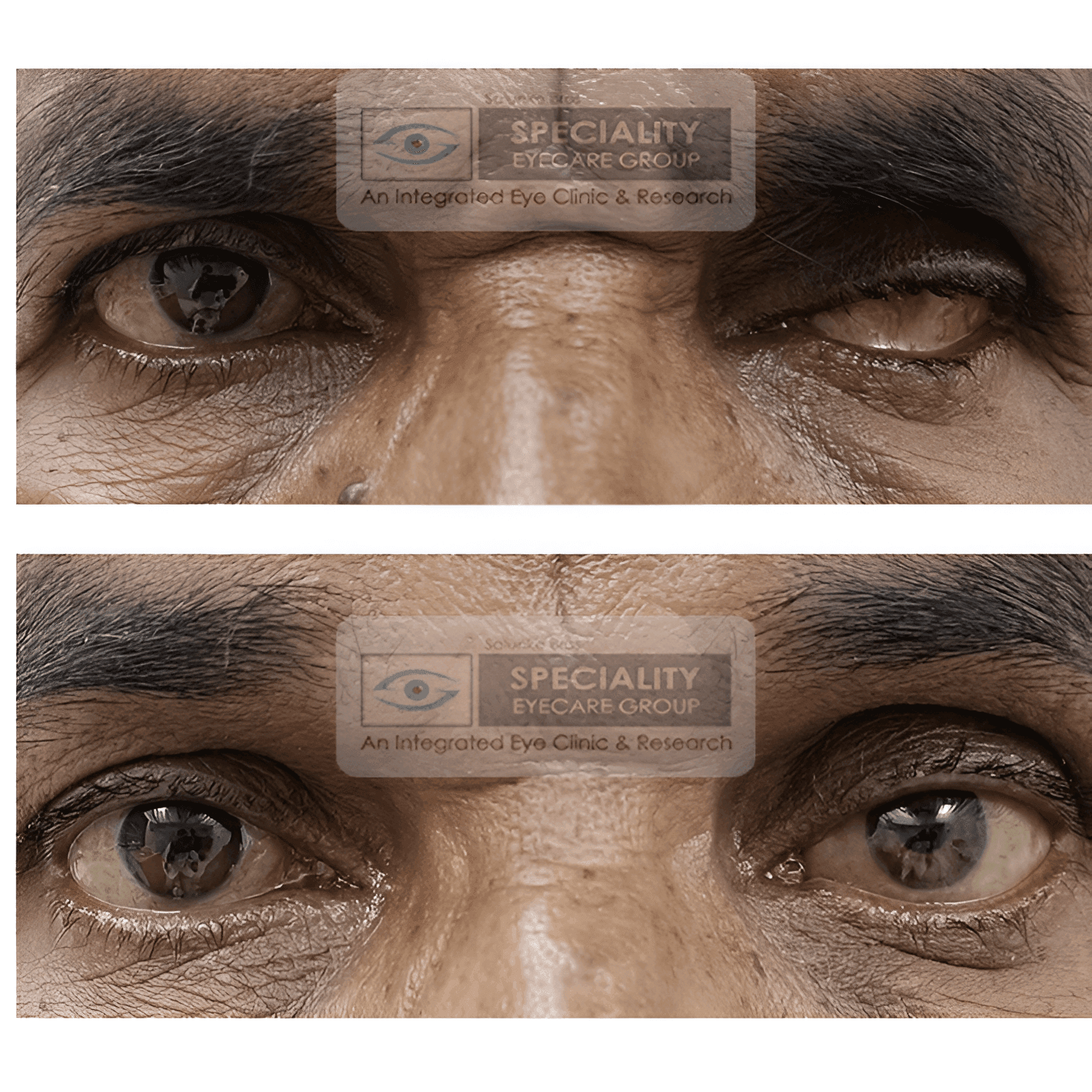
Reasons For Eye Removal
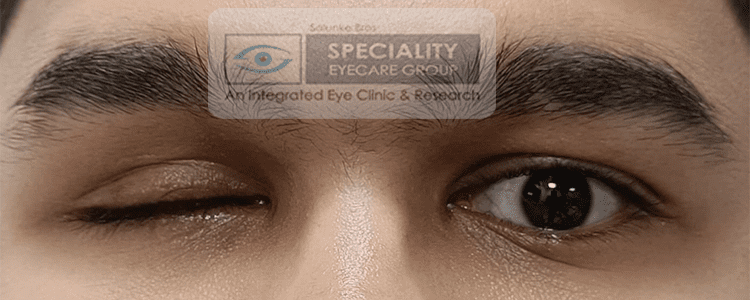
Infection or Inflammation
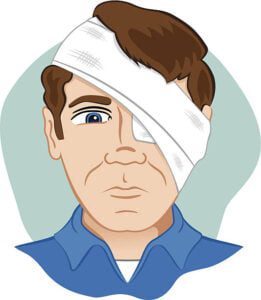
Persistent infections or inflammation that do not respond to treatment and threaten the health of the surrounding tissues may require eye removal.
Examples: Phthisis Bulbi: A painful, shrunken eye due to severe inflammation.
Infectious Endophthalmitis: A serious infection inside the eye.
Chronic Pain or Discomfort
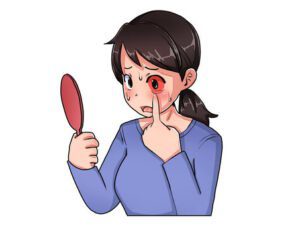
If an eye is causing persistent pain or discomfort that cannot be managed with other treatments, removal might be considered.
Examples: Chronic, unmanageable pain from severe eye conditions or injuries.

Severe Trauma or Injury
Accidents or injuries causing severe damage to the eye that cannot be repaired may necessitate removal to prevent further complications or loss of vision.
Examples: Sports injuries, accidents, or blunt force trauma.
Congenital Abnormalities
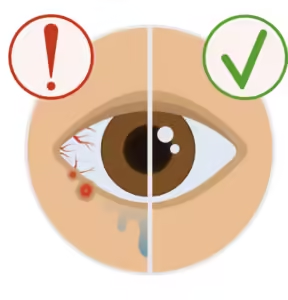
Certain congenital conditions may require removal of the eye if they affect function or cause other health issues.
Examples: Anophthalmia: A condition where the eye does not develop.
Severe Corneal Dystrophies: Conditions affecting the cornea that may not be correctable with other treatments.

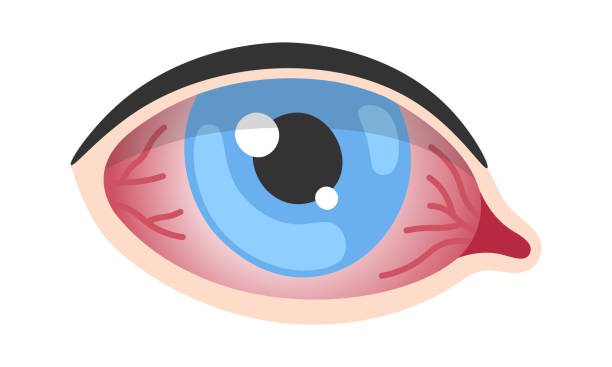
Advanced Eye Diseases
Certain eye diseases may progress to a stage where removal of the eye is the best option to protect overall health and prevent further issues.
Examples:
Ocular Melanoma: A type of cancer that originates in the eye.
End-Stage Glaucoma: When vision loss is severe and the eye is at risk of further complications.
Retinoblastoma: A cancer of the retina, especially in children, that may require removal to control the spread.
Cosmetic Reasons
In some cases, the eye may be removed for cosmetic reasons if it is disfigured or if an artificial eye provides a better aesthetic outcome.
Examples: Severe deformities or conditions that affect the appearance of the eye.
Considerations for Opting for an
Artificial Eye
Restoring Appearance
Benefit: An artificial eye helps to restore a natural appearance, enhancing cosmetic outcomes and helping individuals regain confidence and self-esteem.
Customization: Each prosthesis is customized to match the remaining eye’s color and appearance
Improving Comfort
Benefit: Modern ocular prosthetics are designed for comfort and fit well into the eye socket, allowing for natural movement and minimizing discomfort.
Materials: Advanced materials are used to ensure a smooth, natural feel.
Facilitatin Eye Socket Health
Benefit: A well-fitted prosthesis helps maintain the shape and health of the eye socket, preventing complications such as socket contraction or disfigurement.
Monitoring: Regular follow-up care ensures proper fit and function.
Enhancing Functionality
Benefit: While an artificial eye does not restore vision, it can improve the overall functionality of the eye socket and prevent additional medical issues.
Support: Prosthetics support daily activities and contribute to better overall eye health.
Benefit: Restoring a natural appearance can significantly impact emotional well-being and self-image, helping individuals adjust better to the changes.
Counseling: Support services are often available to help patients and their families cope with the transition.
Types of Ocular Prosthetics at
Speciality Eyecare Group
Full Custom
Ocular Prosthesis
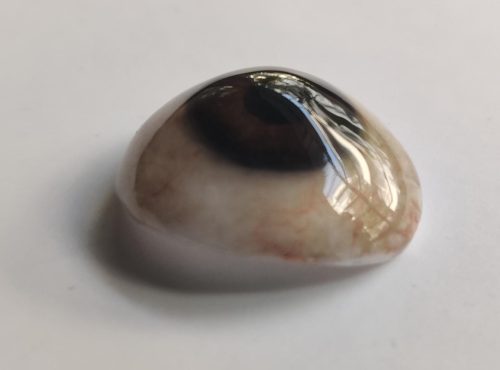
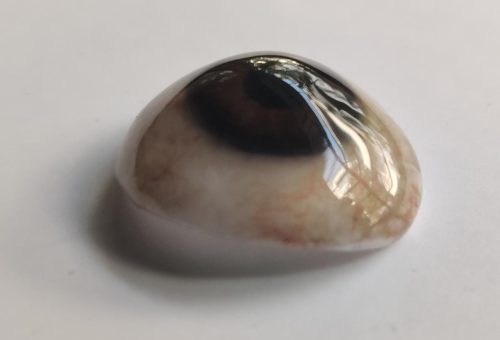
A Full Custom Ocular Prosthesis is done for patients who have had their eye removed. This provides functional and cosmetic restoration to the patient.
This prosthetic eye will be fitted securely inside the socket of an eye, with the exact size, shape, and color of the natural eye. The material used will be of excellent quality, hence assured to be durable, comfortable, and highly natural-looking.
Custom Fit: Each prosthesis is individually molded and painted to match your natural eye for natural movement and comfort. It will also serve to maintain the shape of the eye socket, preventing shrinkage, and will support facial symmetry.
Scleral Shell
Prosthesis
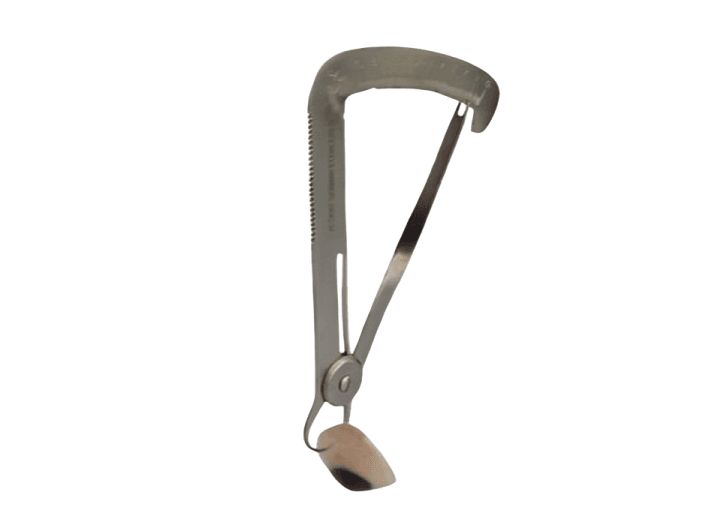
A Scleral Shell Prosthesis is available for a patient whose eye is either damaged or disfigured and needs cosmetic improvement. This thin, custom-made shell fits over the existing eye in order to cosmetically enhance the appearance and make deformities unnoticeable. Fabricated to match the size and shape, and color of the healthy eye; the goal is to naturally and realistically appear lively.
Comfort and Mobility: Since the shell follows the movements of the natural eye, it allows superior cosmetic integration with a minimum of discomfort. Its lightweight, comfortable construction permits ease of wearing and is an ideal option for everyday wear without invasive procedures.
Lightweight
Prosthesis

Designed for larger volume replacements, this prosthesis has been made from lightweight materials to ensure that there is no compromise on cosmetic or functional results. Its light construction causes less tension on the orbit of the eye and on the supporting tissues. This will be ideal when larger spaces are involved and discomfort with conventional prosthetics is present. Each prosthesis is individually fitted for secure placement with improved cosmesis, comfort, and mobility while supporting facial symmetry to prevent further complications.
Iris painted
Conformer
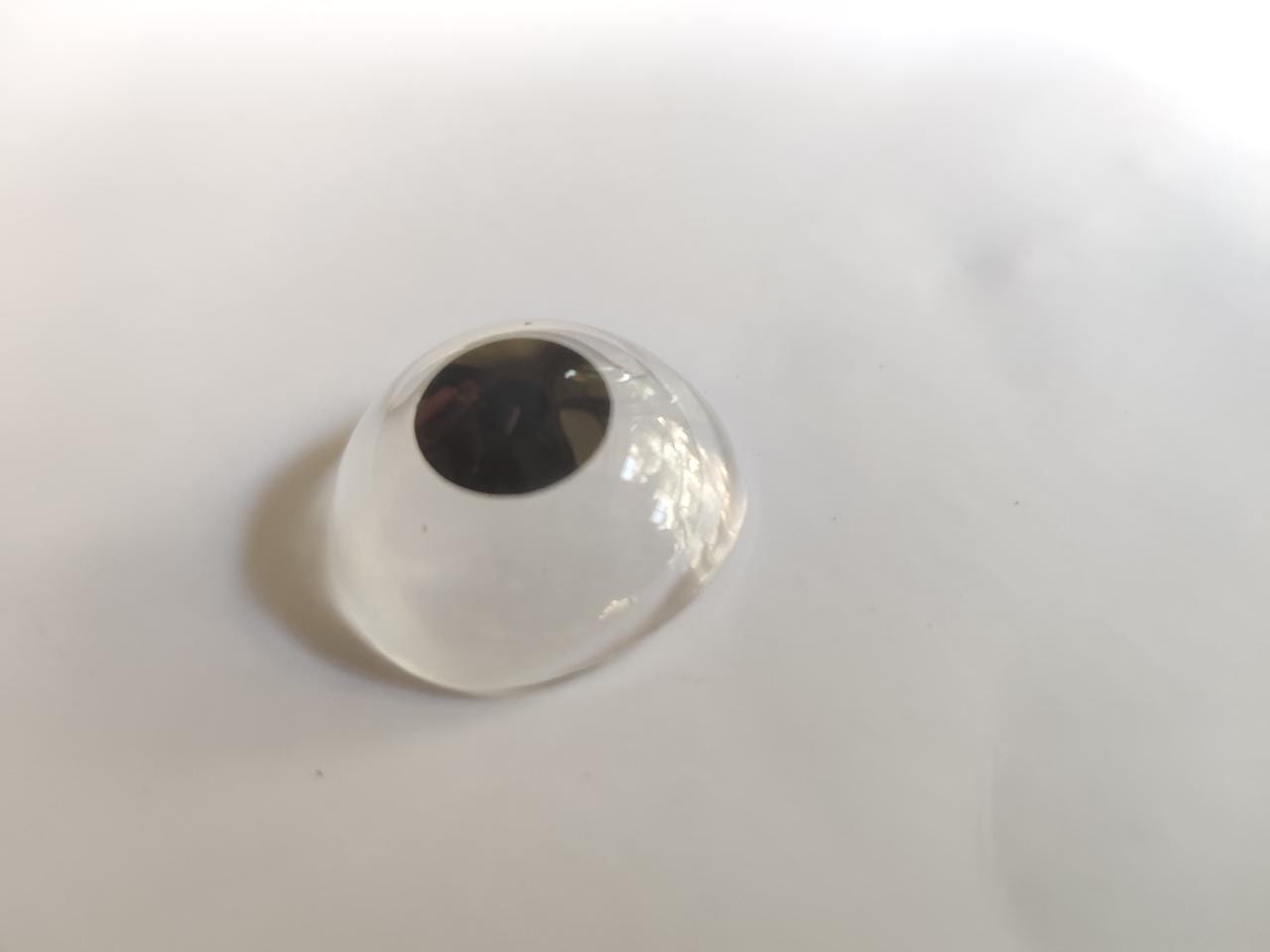
An Iris-Painted Conformer is recommended for individuals with a congenital condition called microphthalmos where one or both eyes are abnormally smaller. A conformer will help develop the eye socket and will help create some symmetry of the face since it looks like a normal eye. In children, this appliance helps in fostering the slow expansion of the sockets to keep proper facial growth.
Pediatric Ocular
Prosthetics
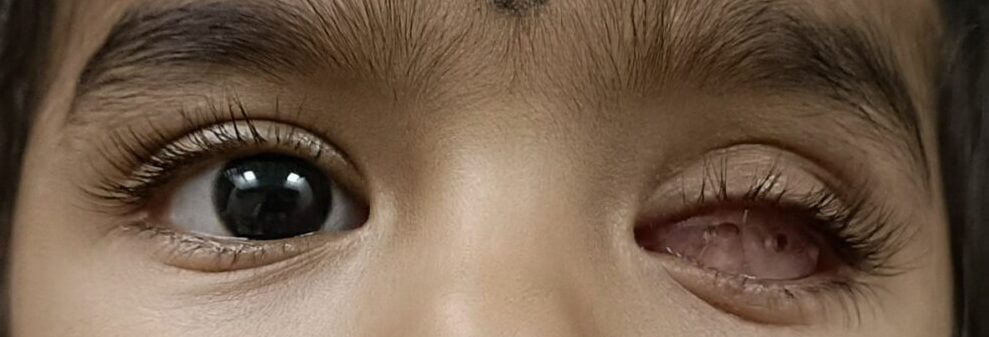
For children with Retinoblastoma, congenital conditions, or trauma-related eye loss, pediatric ocular prosthetics are designed to support healthy socket development and maintain facial symmetry. These prosthetics not only restore the appearance of the eye but also play a crucial role in preventing socket shrinkage and promoting balanced facial growth.
Crafted with the growing child in mind, they ensure a secure, comfortable fit and help maintain both natural appearance and functionality. Made from softer materials to prevent irritation, these prosthetics require regular adjustments to accommodate the child’s growth and changing needs.
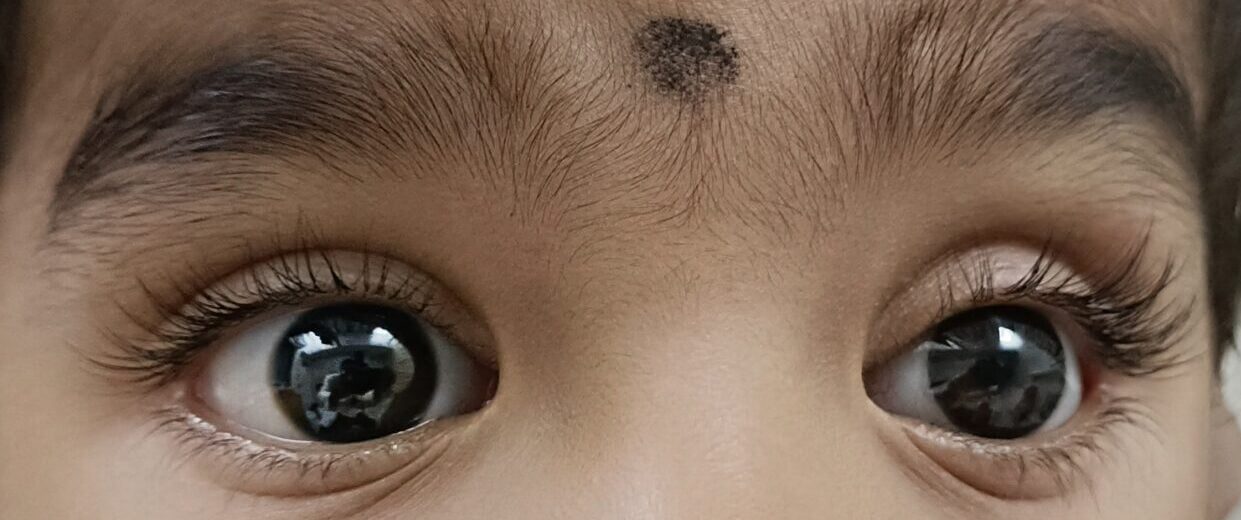
Full Custom
Ocular Prosthesis
A Full Custom Ocular Prosthesis is done for patients who have had their eye removed. This provides functional and cosmetic restoration to the patient.
This prosthetic eye will be fitted securely inside the socket of an eye, with the exact size, shape, and color of the natural eye. The material used will be of excellent quality, hence assured to be durable, comfortable, and highly natural-looking.
Custom Fit: Each prosthesis is individually molded and painted to match your natural eye for natural movement and comfort. It will also serve to maintain the shape of the eye socket, preventing shrinkage, and will support facial symmetry.
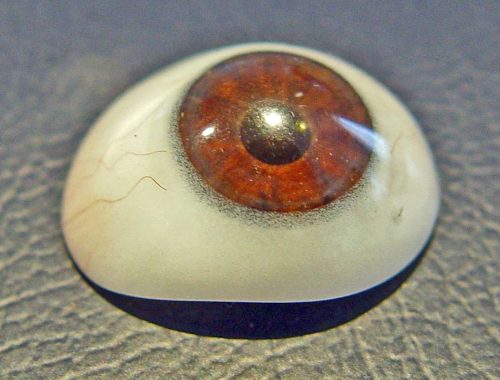
Lightweight
Prosthesis
Designed for larger volume replacements, this prosthesis has been made from lightweight materials to ensure that there is no compromise on cosmetic or functional results. Its light construction causes less tension on the orbit of the eye and on the supporting tissues. This will be ideal when larger spaces are involved and discomfort with conventional prosthetics is present. Each prosthesis is individually fitted for secure placement with improved cosmesis, comfort, and mobility while supporting facial symmetry to prevent further complications.
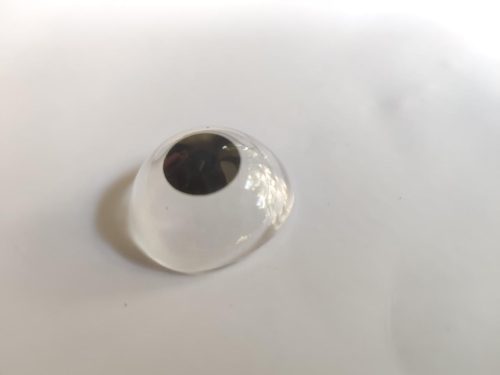
Pediatric Ocular
Prosthetics
For children with Retinoblastoma, congenital conditions, or trauma-related eye loss, pediatric ocular prosthetics are designed to support healthy socket development and maintain facial symmetry. These prosthetics not only restore the appearance of the eye but also play a crucial role in preventing socket shrinkage and promoting balanced facial growth.
Crafted with the growing child in mind, they ensure a secure, comfortable fit and help maintain both natural appearance and functionality. Made from softer materials to prevent irritation, these prosthetics require regular adjustments to accommodate the child’s growth and changing needs.
Scleral Shell
Prosthesis
A Scleral Shell Prosthesis is available for a patient whose eye is either damaged or disfigured and needs cosmetic improvement. This thin, custom-made shell fits over the existing eye in order to cosmetically enhance the appearance and make deformities unnoticeable. Fabricated to match the size and shape, and color of the healthy eye; the goal is to naturally and realistically appear lively.
Comfort and Mobility: Since the shell follows the movements of the natural eye, it allows superior cosmetic integration with a minimum of discomfort. Its lightweight, comfortable construction permits ease of wearing and is an ideal option for everyday wear without invasive procedures.
Iris painted
Conformer
An Iris-Painted Conformer is recommended for individuals with a congenital condition called microphthalmos where one or both eyes are abnormally smaller. A conformer will help develop the eye socket and will help create some symmetry of the face since it looks like a normal eye. In children, this appliance helps in fostering the slow expansion of the sockets to keep proper facial growth.
Our Process for
Custom Ocular Prosthetics
Initial Consultation and Assessment
- We begin with a detailed assessment of the patient’s needs, socket anatomy, and aesthetic requirements.
- We also discuss the patient’s medical history and desired outcomes.
Detailed Impressions and Measurements
- Precise impressions of the eye socket are taken to ensure a perfect fit and maximum comfort.
- Measurements are taken to ensure symmetry and alignment with the natural eye
Custom Design and Color Matching
- Each prosthesis is hand-painted by skilled ocularists to match the exact color, shape, and size of the natural eye
- We take into account all aspects of the eye, including iris color, blood vessels, and the scleral tone, to ensure a realistic appearance.
Fitting and Adjustments
- Once the prosthesis is ready, it is fitted to the patient, and any necessary adjustments are made for optimal comfort and movement
- Patients are taught how to care for and maintain the prosthesis to ensure long-lasting use.
Follow-up Care and Maintenance
- Regular follow-ups are scheduled to ensure the prosthesis continues to fit well and maintain its appearance
- We also provide cleaning, polishing, and adjustment services as needed.
Generally Asked Questions
Does an ocular prosthesis help one see?
No, it only enhances the cosmetic appearance and thus instills confidence.
How long does an ocular prosthesis last?
If properly taken care of, it may last several years, but periodic replacement may be required.
Is there discomfort wearing an ocular prosthesis?
Initially yes, but most people settle down with the prosthesis and find it quite comfortable.
How to take care of an ocular prosthesis?
Cleansing is recommended with mild soap and water. However periodic follow up care with an ocularist is a must
Will the prosthesis move like a natural eye?
It can move but having limitations compared to fellow eye.
How often should you see an ocularist?
Checkups are usually needed every 6 to 12 months to verify proper fit and operation of the device.