
Low Vision Aids
Low Vision Aids At Speciality Eyecare Group, Pune
At Speciality Eyecare Group Pune, we provide comprehensive Low Vision Services for individuals whose vision cannot be fully corrected with conventional glasses, contact lenses, or surgery. Our specialized care is aimed at enhancing the remaining vision and helping patients achieve greater independence in their daily lives. Our team is dedicated to improving the quality of life for those living with low vision through personalized solutions, assistive devices, and rehabilitation.
- Comprehensive Low Vision Evaluation
- Low Vision Aids and Devices
- low vision rehabilitation services
- Counseling and Support
Speciality Eyecare Group
Gallery



Low Vision in
Indian Scenario?

Low vision is a condition where a person has significantly reduced vision that cannot be corrected by standard eyeglasses, contact lenses, or medical interventions. People with low vision may experience difficulties in performing daily tasks such as reading, driving, recognizing faces, or navigating around their environment. Low vision is not the same as blindness; individuals with low vision retain some degree of sight, which can be optimized through various visual aids and strategies.
In India, low vision is a significant public health issue, with millions of individuals affected, particularly in rural and underprivileged communities. According to data from the World Health Organization (WHO), India is home to a large proportion of the global population affected by visual impairments. This is largely due to the prevalence of preventable or treatable conditions, lack of awareness, and limited access to eye care services in many regions.
Causes of Low Vision
Low vision can be caused by a variety of eye diseases and conditions, including:
- Macular Degeneration (Age-Related)
- Glaucoma
- Diabetic Retinopathy
- Retinitis Pigmentosa
- Cataracts (in advanced cases)
- Eye Injuries or Trauma
- Hereditary conditions –Stargards disease, Albinisim
Our
Low Vision Services
At Speciality Eyecare Group Pune, we offer comprehensive services tailored to meet the specific needs of individuals with low vision. Our low vision services include a detailed evaluation, personalized rehabilitation, and access to advanced visual aids to maximize the use of residual vision.
Comprehensive
Low Vision Evaluation

Assessment of low vision is initiated, basically, with comprehensive eye examination in order to measure the extent of loss and the seriousness of the difficulties encountered by the patient in the specific complaints. We are interested in how the patient is able to use residual vision in daily tasks such as reading, watching TV, and other tasks like cooking or writing. This allows underlining of those areas where vision problems become particularly evident. With an understanding of the person’s lifestyle and what is most important, personalized recommendations and tools can be given in order to enhance their level of independence and quality of life.
Low Vision
Aids and Devices
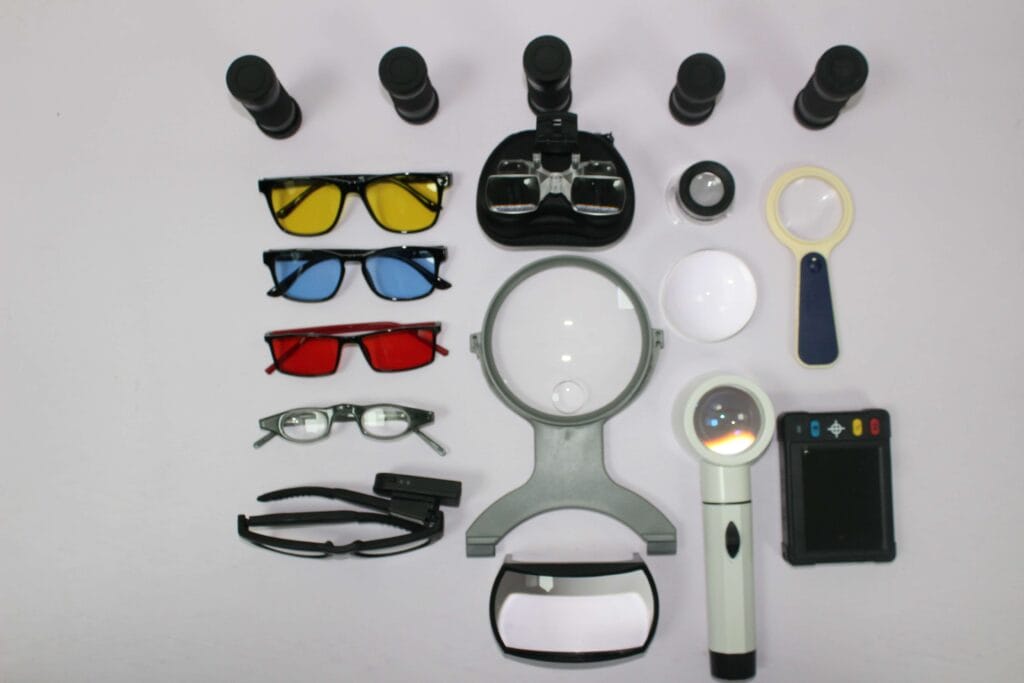
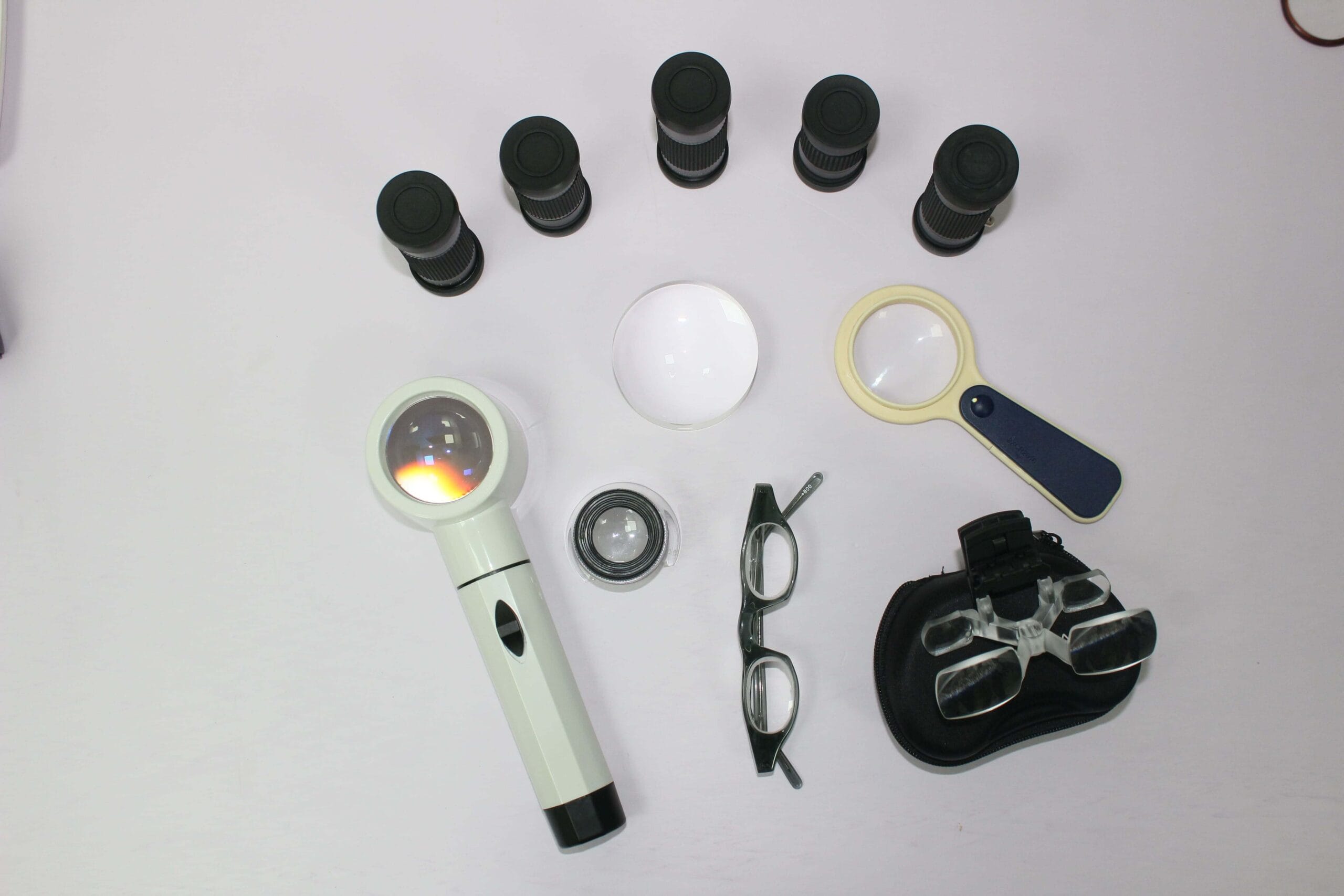
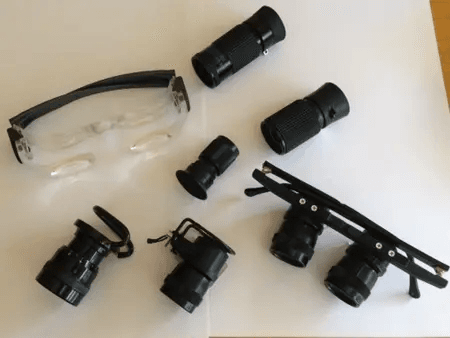
We offer a wide range of low vision aids and devices designed to enhance the patient’s remaining vision. These include:
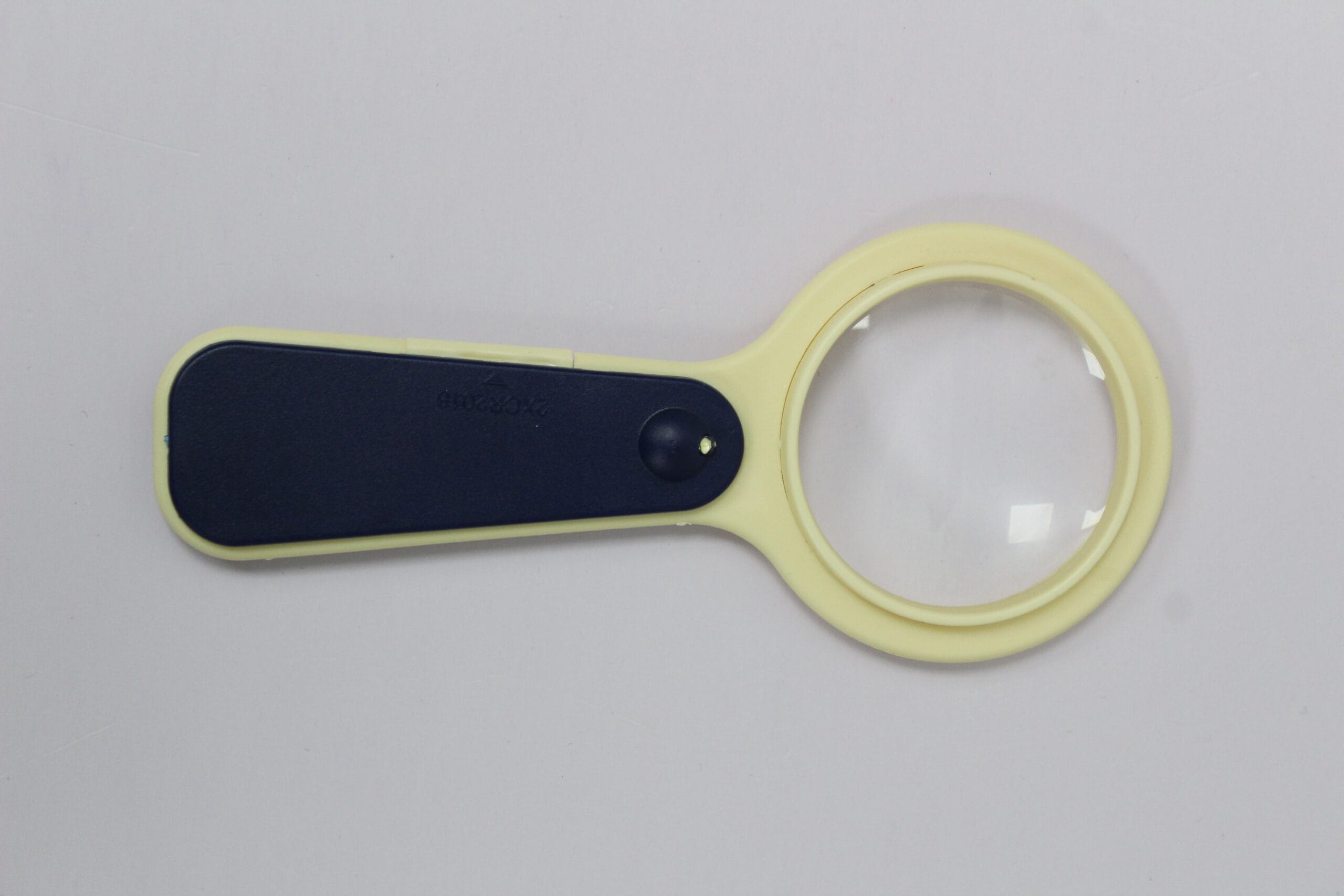
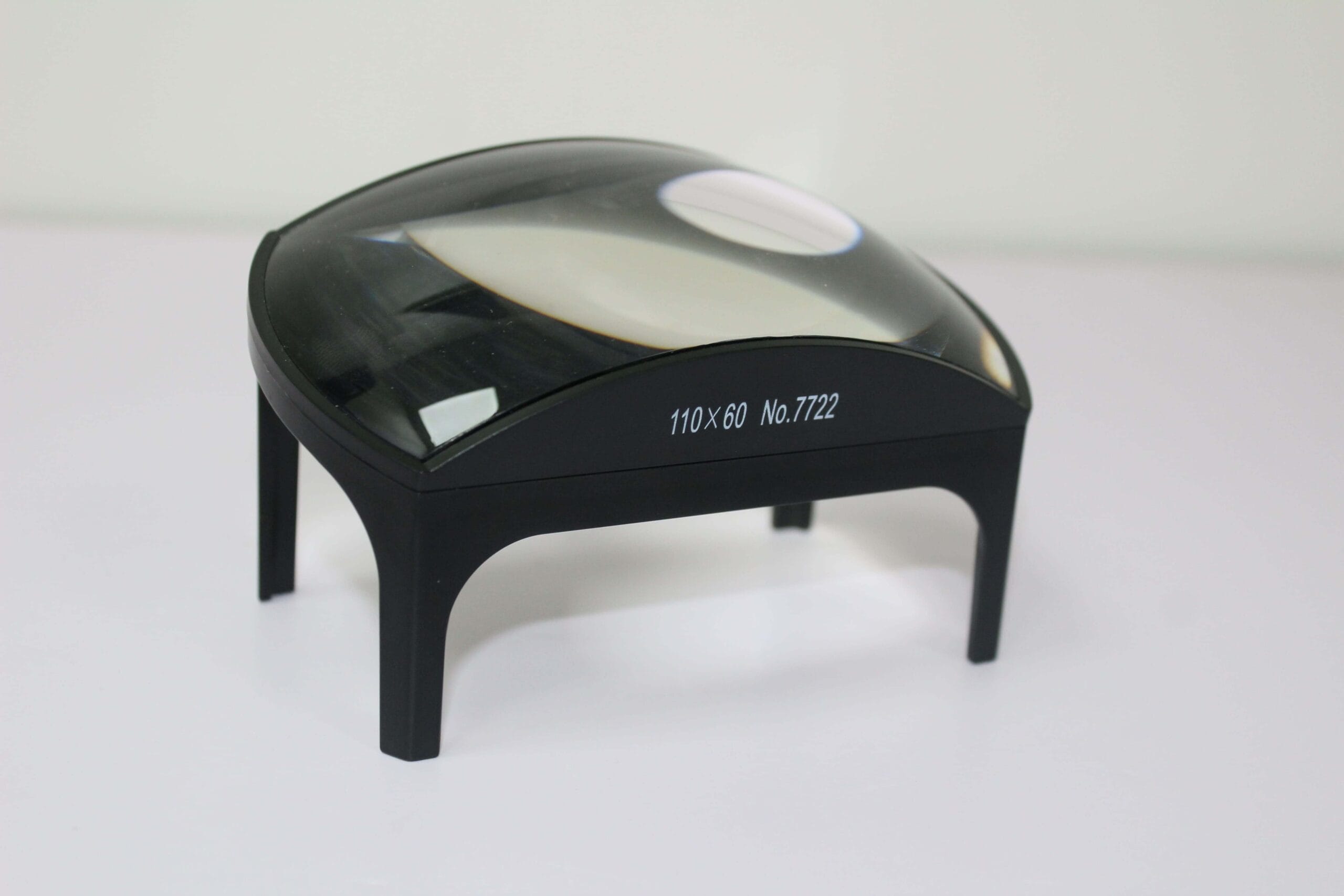
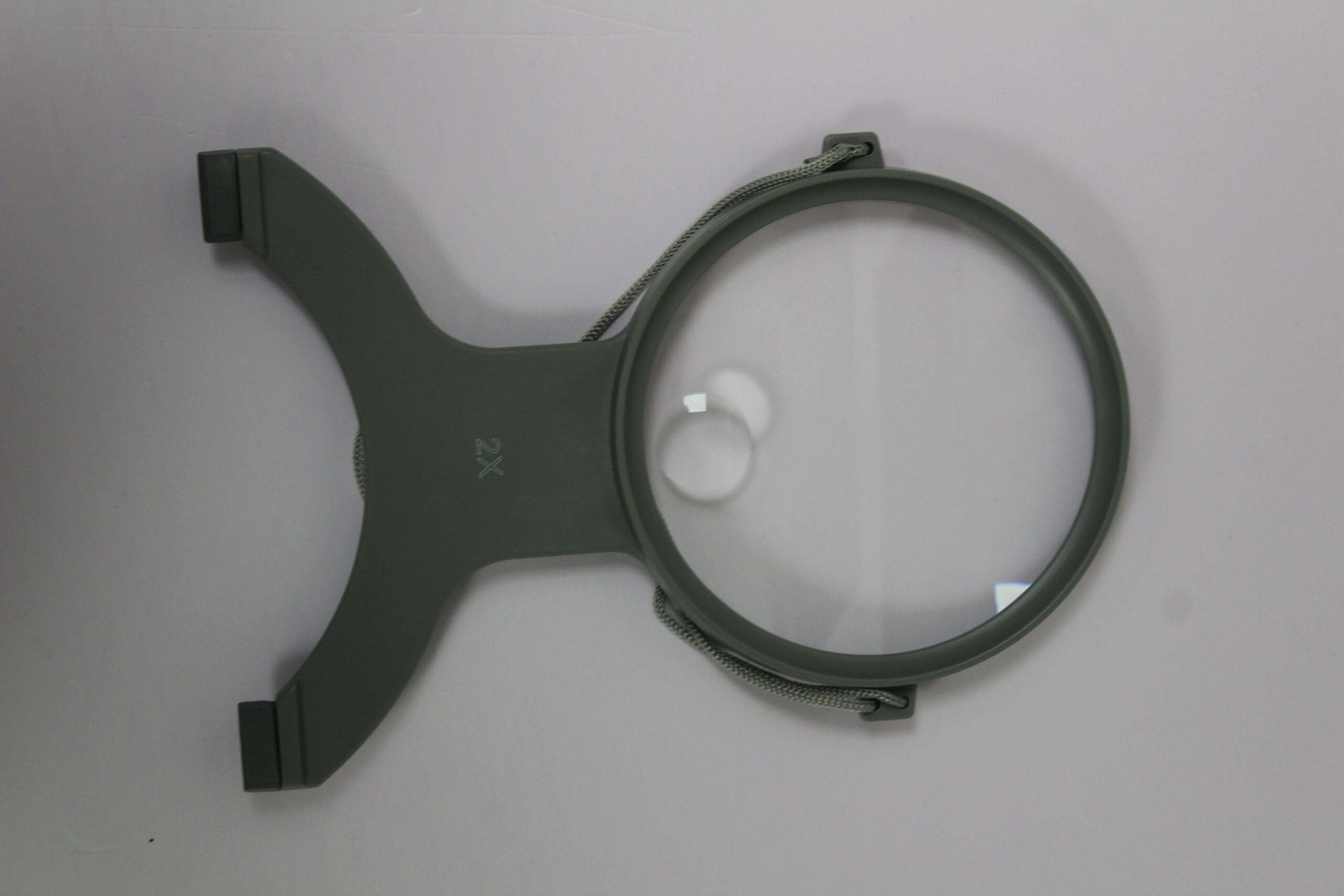
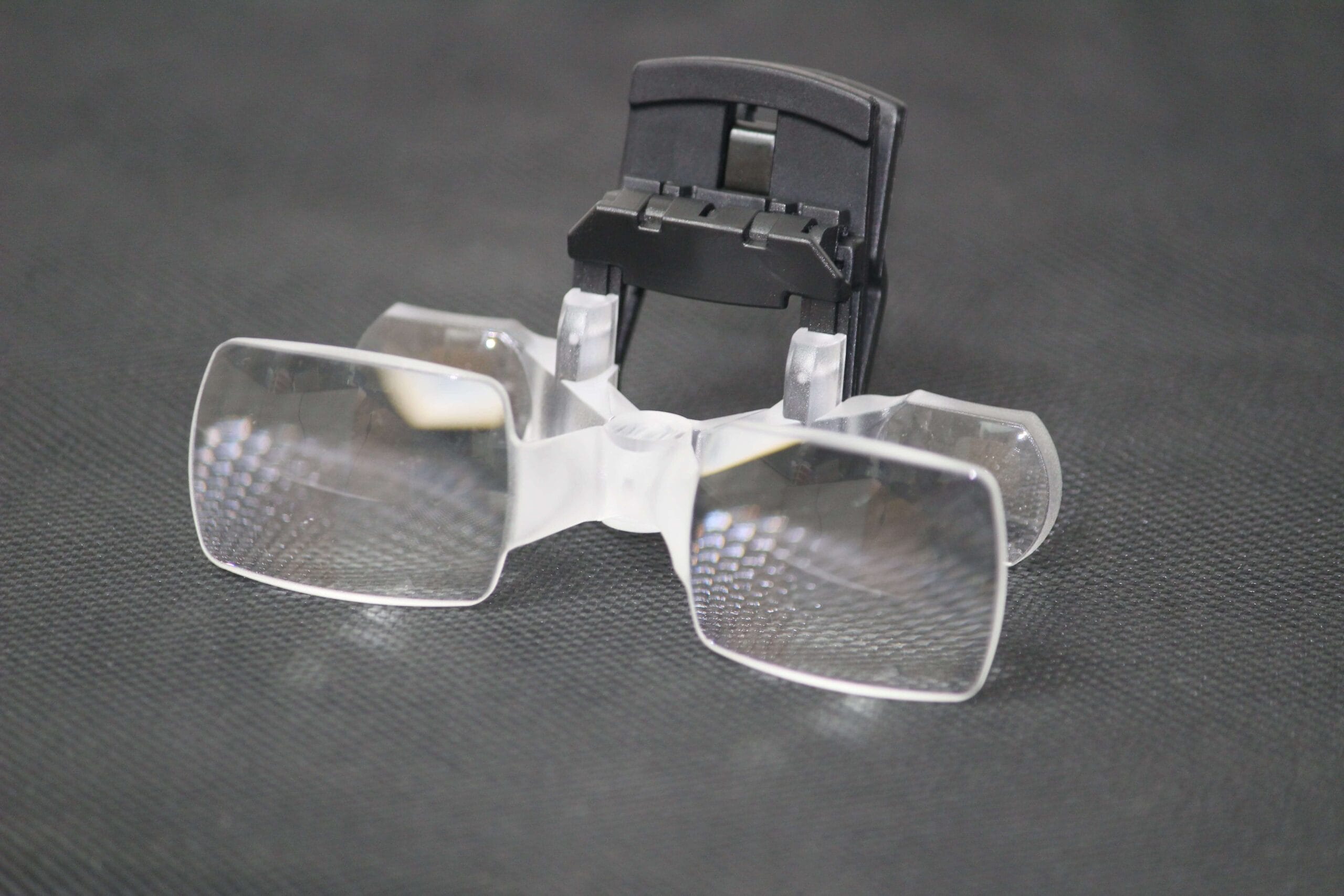
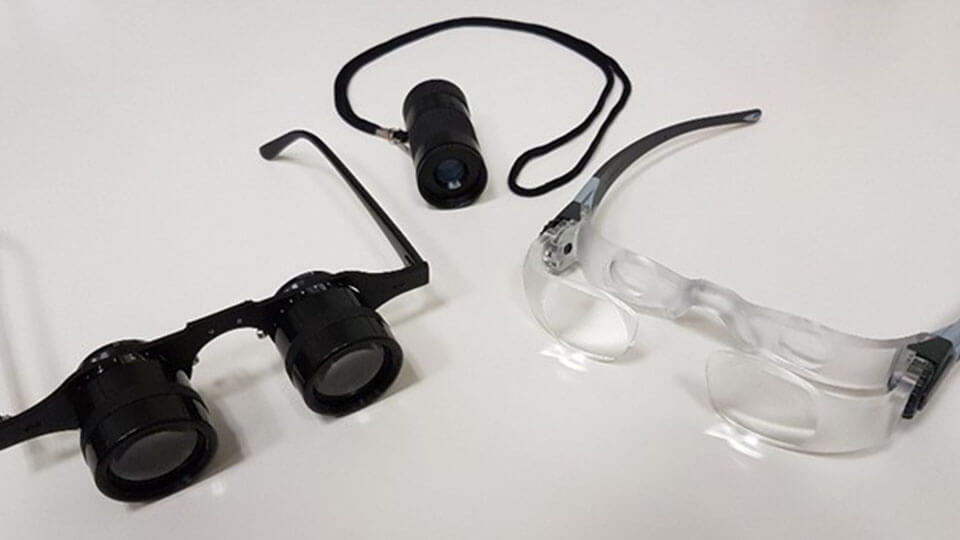
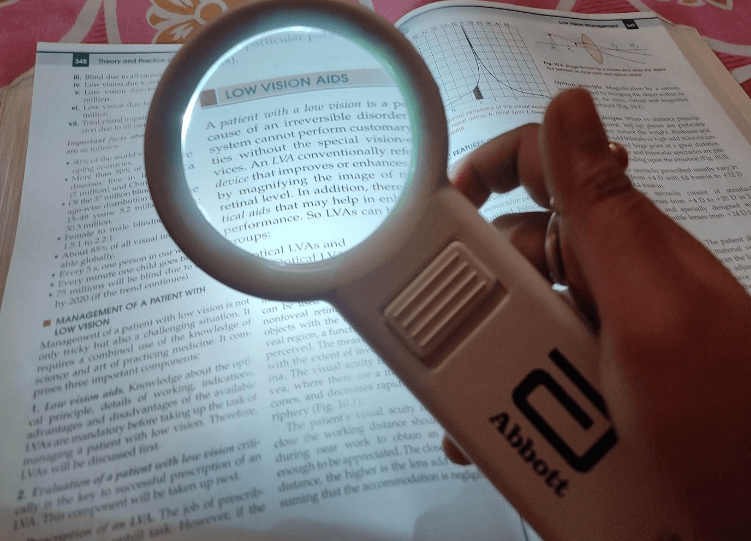
- Magnifying Glasses and Lenses: Handheld or stand magnifiers that enlarge text or objects for easier viewing.
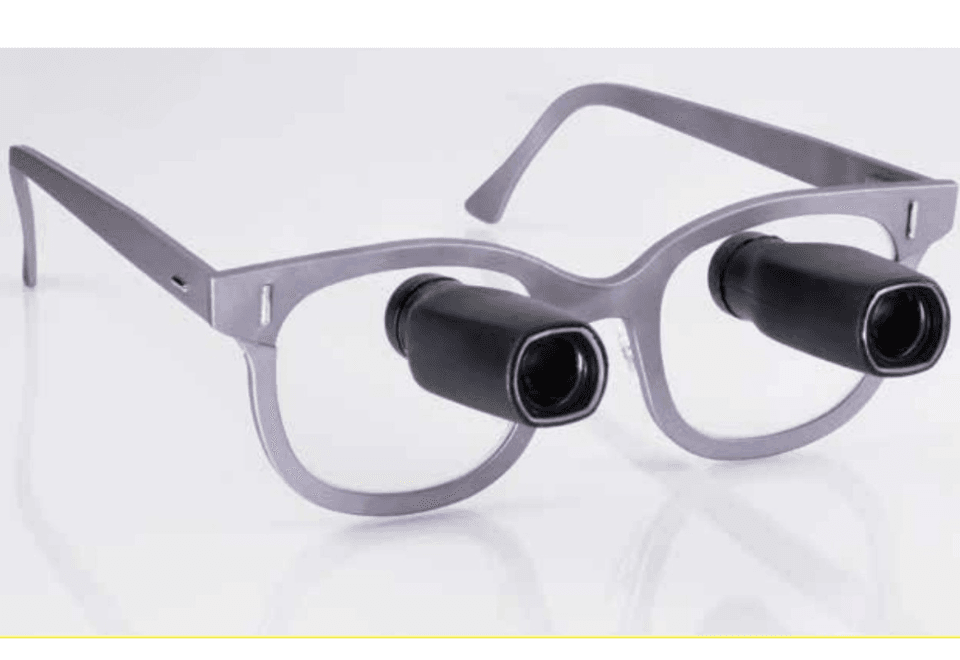
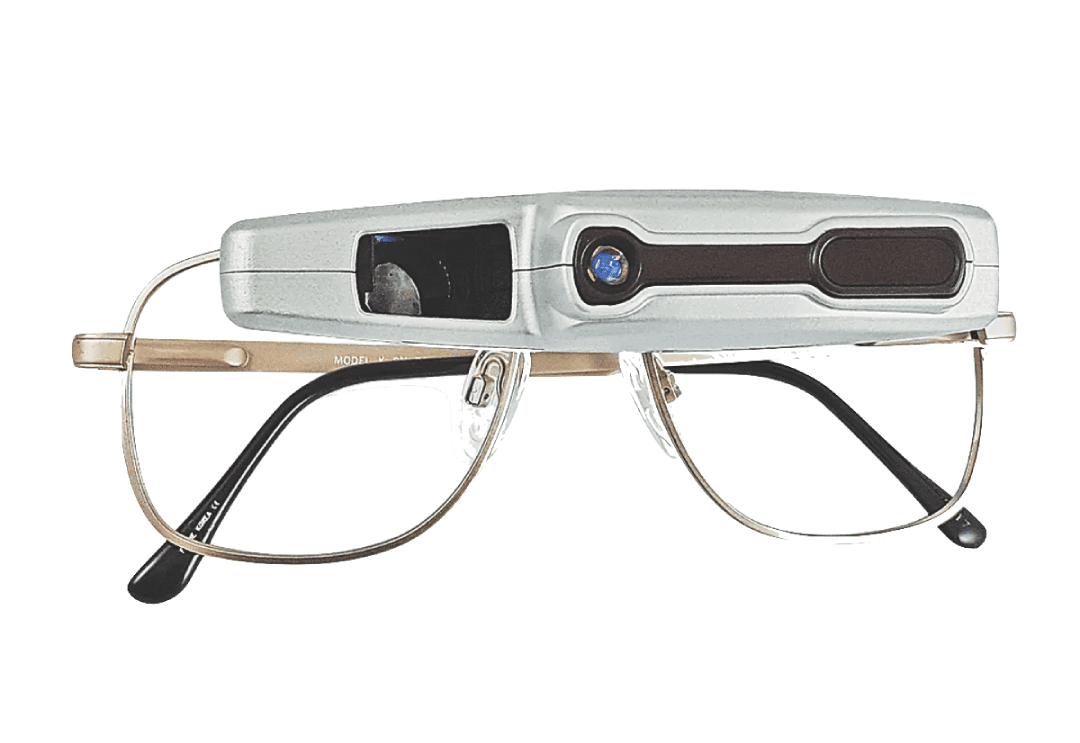
- Telescopic Lenses: Specialized lenses that allow patients to see distant objects more clearly.
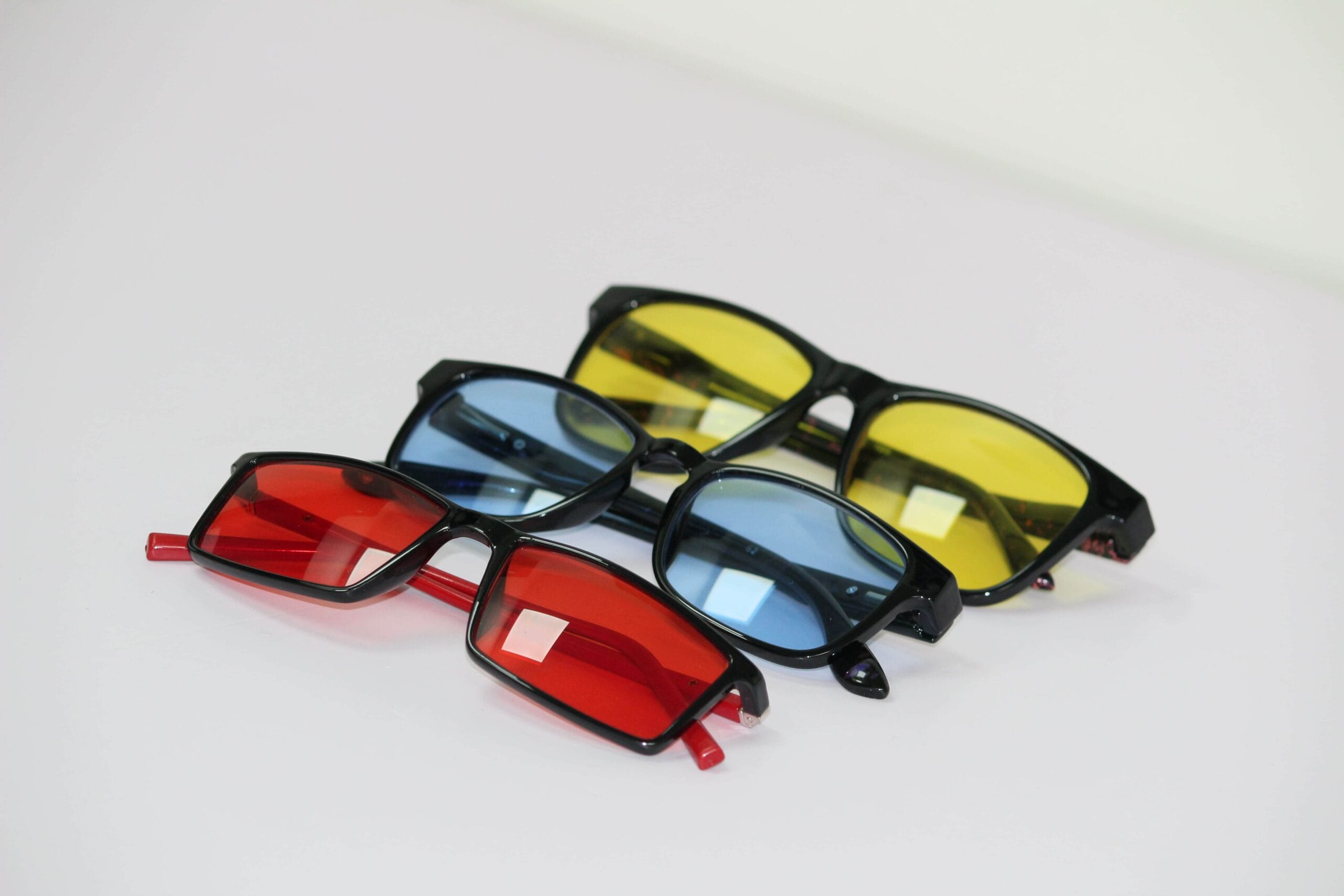
- Reading and Task Lighting: Customized filter, lighting solutions to improve visibility for reading and performing close-up tasks.
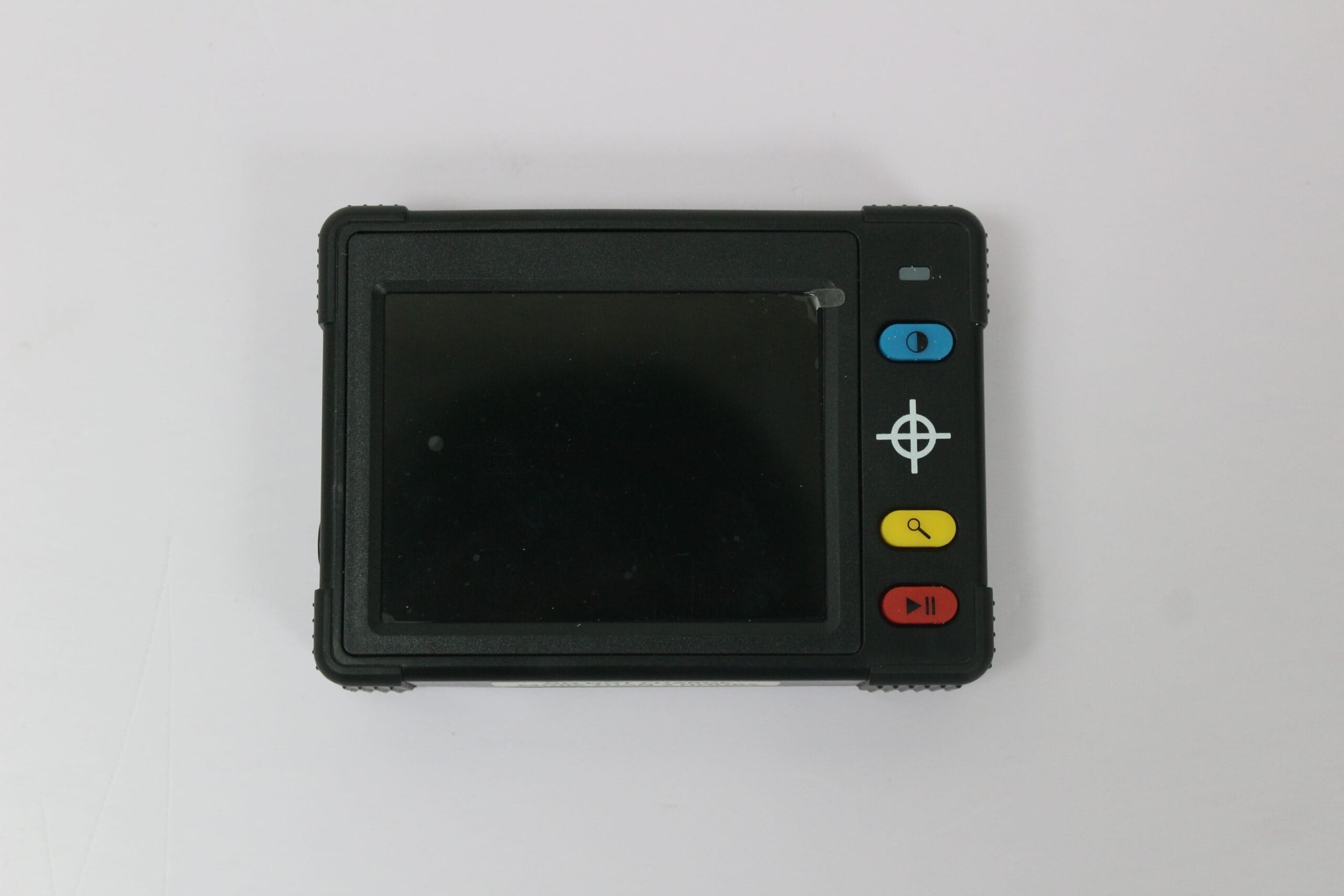
- Electronic Aids (CCTVs): Closed-circuit televisions or video magnifiers that can display magnified text or images on a screen.
- Adaptive Technologies: Computer software and mobile applications that assist with reading and other visual tasks.
- AI-Based Smart Glasses for Low Vision
Counseling and
Support

Low vision significantly affects the emotional and psychological life of a patient and his family. For such difficulties, we offer counseling and supporting services to help them adapt to such loss of vision and to realize expectations from them. It is essential that our goals include methods on how a patient can deal with the disease’s emotional impact, such as frustrations and isolation, and prepare strategies to handle conflicts of everyday life.
We also link them to low vision support groups, through which they are able to share experiences and also get some support from the community. Resources connected include those of assistive devices and rehabilitation services to help the patients regain confidence and independence in skills related to daily living. In this manner, we address the emotional needs of the patient as a priority just like their physical needs.
Comprehensive
Low Vision Evaluation
Assessment of low vision is initiated, basically, with comprehensive eye examination in order to measure the extent of loss and the seriousness of the difficulties encountered by the patient in the specific complaints. We are interested in how the patient is able to use residual vision in daily tasks such as reading, watching TV, and other tasks like cooking or writing. This allows underlining of those areas where vision problems become particularly evident. With an understanding of the person’s lifestyle and what is most important, personalized recommendations and tools can be given in order to enhance their level of independence and quality of life.
Counseling and
Support
Low vision significantly affects the emotional and psychological life of a patient and his family. For such difficulties, we offer counseling and supporting services to help them adapt to such loss of vision and to realize expectations from them. It is essential that our goals include methods on how a patient can deal with the disease’s emotional impact, such as frustrations and isolation, and prepare strategies to handle conflicts of everyday life.
We also link them to low vision support groups, through which they are able to share experiences and also get some support from the community. Resources connected include those of assistive devices and rehabilitation services to help the patients regain confidence and independence in skills related to daily living. In this manner, we address the emotional needs of the patient as a priority just like their physical needs.
Low Vision
Aids and Devices
We offer a wide range of low vision aids and devices designed to enhance the patient’s remaining vision. These include:
- Magnifying Glasses and Lenses: Handheld or stand magnifiers that enlarge text or objects for easier viewing.
- Telescopic Lenses: Specialized lenses that allow patients to see distant objects more clearly.
- Reading and Task Lighting: Customized filter, lighting solutions to improve visibility for reading and performing close-up tasks.
- Electronic Aids (CCTVs): Closed-circuit televisions or video magnifiers that can display magnified text or images on a screen.
- Adaptive Technologies: Computer software and mobile applications that assist with reading and other visual tasks.
- AI-Based Smart Glasses for Low Vision
Low Vision in Children
Early intervention is crucial for children with low vision to ensure they develop the necessary skills to thrive in school and social environments. We provide specialized services for pediatric low vision patients, including:
Assessment of visual
function
We carefully evaluate the child’s vision to identify their specific challenges and determine their educational and developmental requirements.
Collaborative
approach
We work closely with teachers, parents, and caregivers to ensure the child’s needs are fully understood and met in the classroom and at home, promoting a well-rounded learning experience.
Prescription of low
vision aids
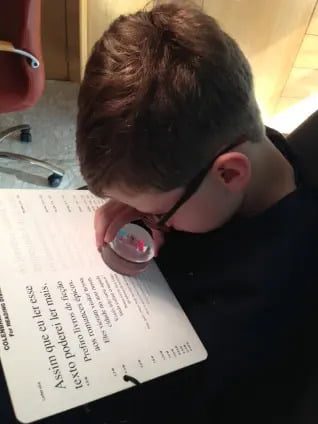
We provide tailored recommendations for devices and tools, such as magnifiers or specialized software, to assist the child with schoolwork, reading, and other daily tasks.
Ease of
maintenance
The aids and devices we prescribe are designed to be long-lasting and easy to maintain, ensuring consistent support for the child’s ongoing learning and development.
Advantages Of Low Vision Aids
- Low vision aids facilitate users with everyday activities, including reading and meal preparation, but most importantly, independence of mobility to foster self-sufficiency.
- These devices make possible again hobbies and activities one enjoys—reading, watching television, seeing one’s friends—and contribute to a fuller life because they enhance remaining vision.
- From magnifiers and electronic readers to any other adaptive technologies, every need is taken care of by personalizing the solution based on the individual’s preference and task.
- Low vision aids make printed materials, digital content, and daily information more accessible, reducing frustration and enhancing the ability to interact with the world around them.
Generally Asked Questions
Who can benefit from low vision aids?
Individuals with conditions such as macular degeneration, glaucoma, diabetic retinopathy, cataracts, or retinitis pigmentosa can benefit from low vision aids. These aids are ideal for those who cannot achieve full vision correction with standard glasses or contact lenses.
How do I know which low vision aid is right for me?
An eye care professional or low vision specialist can recommend appropriate aids based on an assessment of your particular vision needs and your lifestyle. A personalized assessment like this will turn up devices and technologies that are really going to be useful for day-to-day tasks and activities.
Can low vision aids restore normal vision?
Low vision aids cannot restore normal vision but can significantly enhance remaining vision, allowing individuals to perform tasks more effectively and improving their quality of life.
How do I care for my low vision aids?
Proper care depends on the specific aid but generally involves keeping devices clean, storing them in protective cases, and following the manufacturer’s instructions. Regular check-ups with your low vision specialist can also help ensure that the aids continue to meet your needs effectively.
Request a Consultation
If you or a loved one is living with low vision, contact Speciality Eyecare Group , Pune today to schedule a consultation. Our expert team is here to help you make the most of your remaining vision and improve your quality of life through personalized low vision service